Intrinsically Safe Products
How to Choose Explosion-Proof Enclosures for Motors
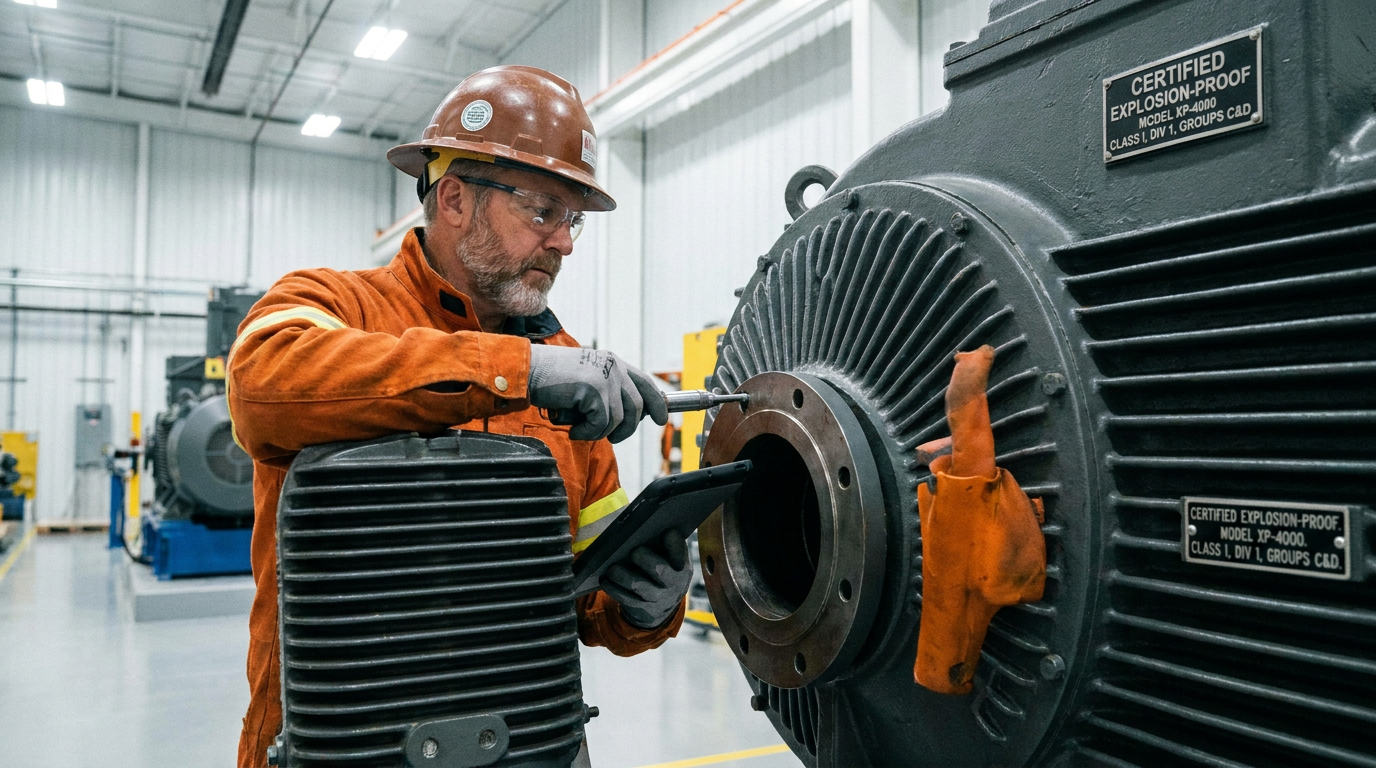
In the high-stakes world of industrial operations, few decisions carry as much weight as the selection of an explosion-proof motor enclosure. This choice is far more than a simple line item on a procurement order; it is a foundational act of risk management, a critical engineering decision that directly safeguards human lives, protects billion-dollar assets, and ensures unwavering compliance with a complex web of safety regulations. This guide will serve as your detailed map, helping you decode these critical classifications and make an informed choice that upholds the highest standards of safety and operational excellence.
Master Hazardous Area Classifications
Are you navigating the shift between Zones and Divisions? Read our deep dive into intrinsically safe areas to ensure your motor enclosures meet global safety standards.
Understanding the Language of Safety: Class, Division, and Group
The cornerstone of your selection process rests upon accurately identifying the hazardous environment classification. This system categorizes hazardous locations to ensure the equipment used is appropriate for the risks present.
- Class: Defines the type of hazardous material. Class I for flammable gases/vapors, Class II for combustible dusts, and Class III for ignitable fibers.
- Division: Specifies the likelihood of the hazard being present. Division 1 indicates the hazard is present under normal conditions, while Division 2 means it’s present only under abnormal conditions.
- Group: Categorizes substances based on their explosive characteristics. For gases (Class I), Groups range from A (most volatile) to D. For dusts (Class II), Groups are E, F, and G.
Critical Factors Beyond Classification
Beyond the basic classification, several other factors are crucial for ensuring the long-term safety and reliability of your motor enclosure.
- Temperature Code (T-Code): This indicates the maximum surface temperature the enclosure can reach. The T-Code must be safely below the auto-ignition temperature of the hazardous materials in the area.
- Material Construction: Enclosures are typically made from cast aluminum, cast iron, or stainless steel. The choice depends on the need for corrosion resistance, strength, and weight.
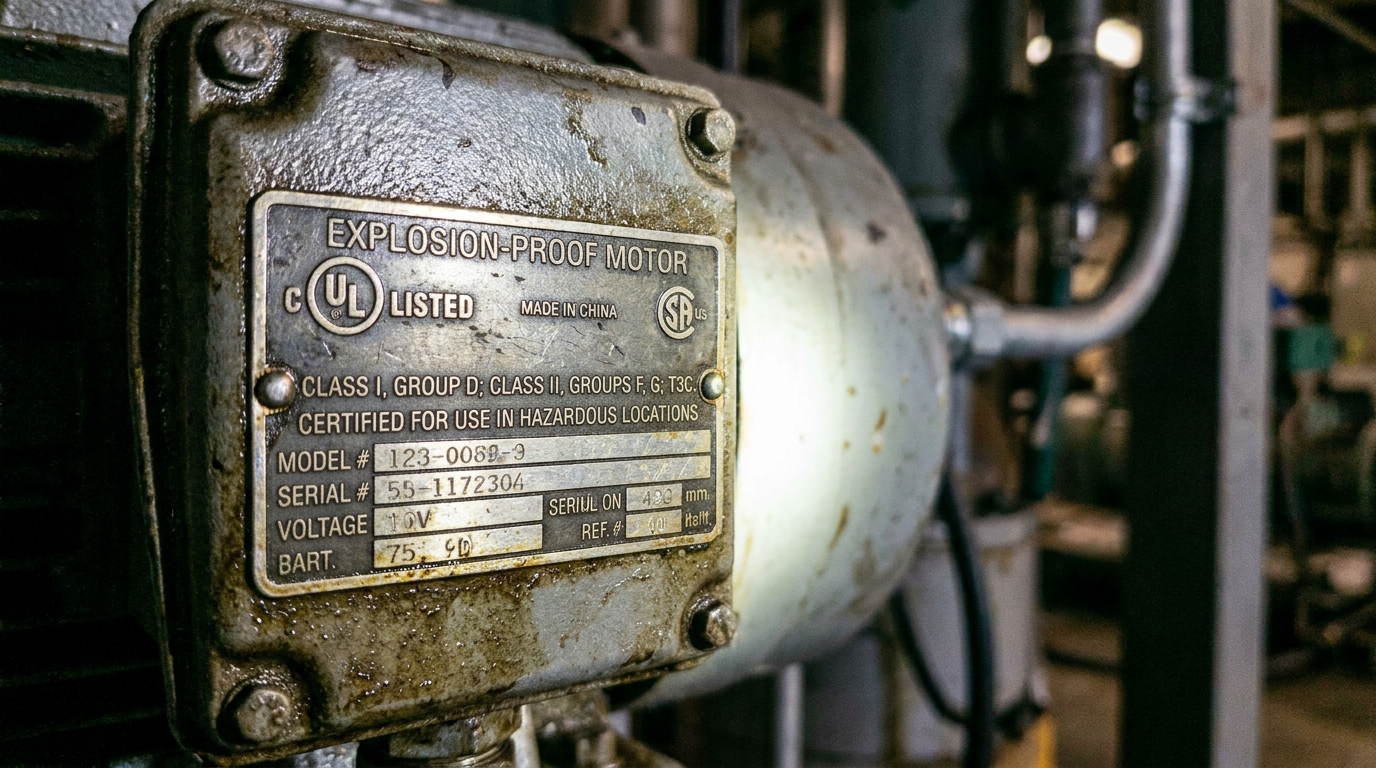
- Certification: Always ensure the enclosure is certified by a Nationally Recognized Testing Laboratory (NRTL) like UL or CSA. This guarantees it has been rigorously tested to meet safety standards.
Product Comparison
| Product | Price | Action |
|---|---|---|
| Condor EX700 Explosion-Proof Enclosure | $798.98 | View Details |
| Warom Explosion-Proof Terminal Box | $333.59 | View Details |
| Explosion Proof EXEP0804 EX DB EB TB Switch Disconnectors | $2,332.80 | View Details |
Certified Protection for Power & Energy
Ensure your motor installations are explosion-proof. Browse our selection of heavy-duty enclosures engineered for Class I, Division 1 and Zone-rated environments.
Related Resources
- Understanding ATEX Compliance for Industrial Safety
- Class I Division 1 vs Division 2: Key Differences
- Shop All Explosion-Proof Enclosures
FAQs
What does “explosion-proof” actually mean?
It means the enclosure is designed to contain an internal explosion and prevent it from igniting the surrounding hazardous atmosphere. It does not mean the enclosure is indestructible.
How do I determine the correct Class, Division, and Group?
This is determined by a thorough analysis of the hazardous materials present in your facility. You should consult your site’s area classification drawings and safety documentation.
What is a Temperature Code (T-Code) and why is it important?
The T-Code indicates the maximum surface temperature of the enclosure. It’s crucial to ensure this temperature is below the auto-ignition temperature of the hazardous substances in the area to prevent ignition from heat.
Can I modify an explosion-proof enclosure?
No. Any modification, such as drilling a hole, will void the certification and render the enclosure unsafe.
Where can I find the certification information?
The certification details are permanently displayed on the enclosure’s nameplate. This includes the Class, Division, Group, and T-Code for which the enclosure is approved.
Chat for a Quote
Call: 832-699-6726
Conclusion
Selecting the right explosion-proof motor enclosure is a critical process that requires careful consideration of your specific hazardous environment. By understanding the classification system, considering all environmental and operational factors, and verifying certification, you can ensure the safety of your personnel and facility.