

























In the high-stakes world of industrial operations, where flammable gases, volatile dusts, and combustible liquids are a part of the daily landscape, safety is not merely a priority; it is the fundamental license to operate. Within these hazardous environments, the concept of intrinsic safety represents a pinnacle of engineering design—a proactive promise that electrical equipment will not become an ignition source, even under fault conditions. Yet, this promise is not self-sustaining. It requires constant vigilance and a deep, data-driven understanding of asset health. This is where the revolutionary power of predictive maintenance intersects with the critical demands of safety. Moving beyond the rigid, and often inefficient, schedules of preventive maintenance, a predictive strategy uses real-time data to forecast failures before they occur. The key to unlocking this power lies in establishing and meticulously tracking the right Key Performance Indicators (KPIs). This guide is designed to be your comprehensive resource, navigating the complex but crucial journey of implementing predictive maintenance KPIs for your intrinsically safe systems. We will explore not just what to measure, but why it matters, who benefits, and how to transform raw data into a powerful engine for unprecedented safety, reliability, and operational excellence.
Master Intrinsically Safe Maintenance Strategies
Building a proactive maintenance culture in hazardous locations requires specialized knowledge. Read our comprehensive guide on maintaining intrinsically safe equipment to ensure continuous compliance and facility safety.
Read the Maintenance Guide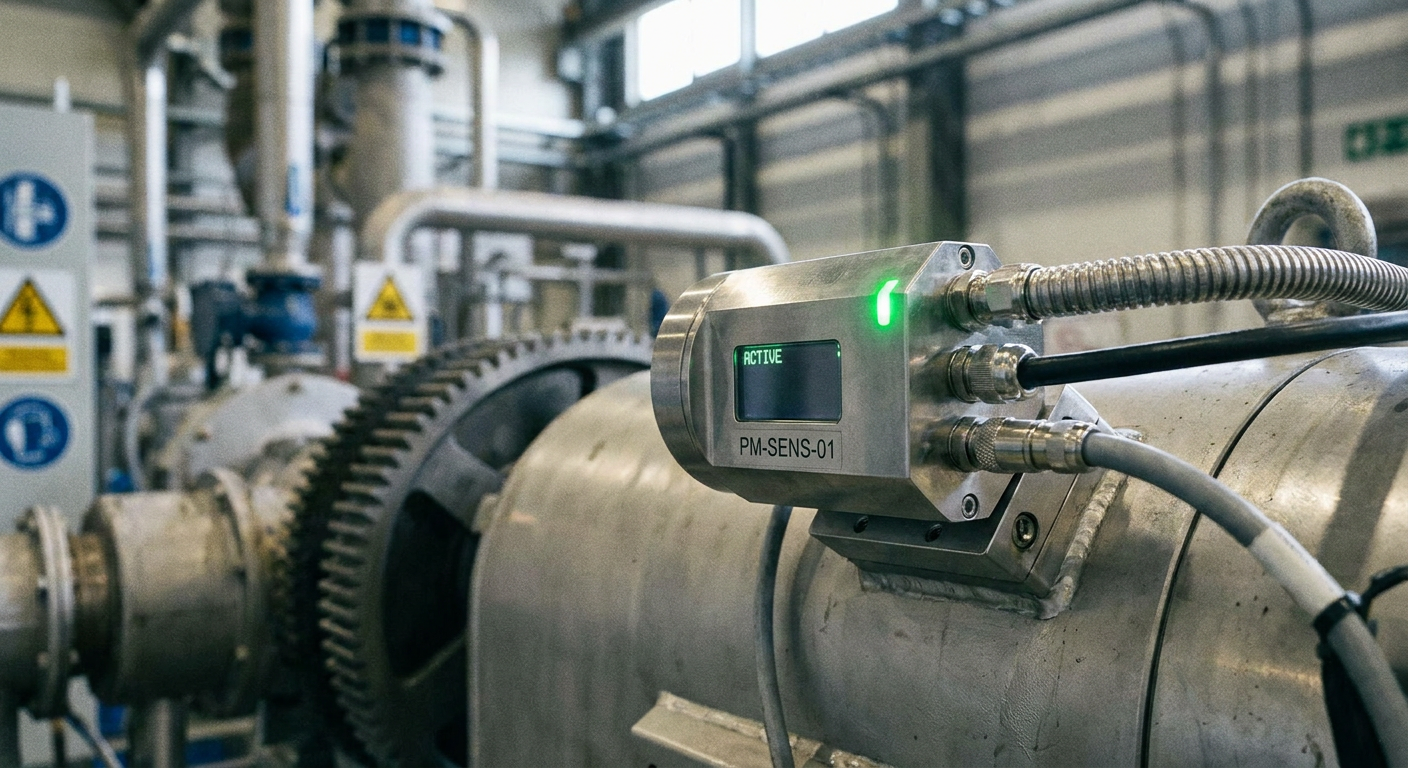
Key Benefits of UL Certification
- Enhanced Safety: The most profound benefit of implementing PdM KPIs for intrinsically safe systems is the dramatic enhancement of operational safety, elevating it from a static, compliance-based checklist to a living, breathing function of the daily operation.
- Increased Uptime: Beyond the paramount concern of safety, the implementation of these KPIs revolutionizes operational efficiency and dramatically increases asset uptime, directly impacting the financial health of the organization.
- Resource Optimization: A well-executed PdM strategy, guided by clear KPIs, leads to a significant optimization of maintenance resources and a tangible extension of the overall asset lifecycle.
- Regulatory Compliance: The rigorous data collection and analysis inherent in a PdM KPI framework provide an invaluable tool for enhancing regulatory compliance and fostering a culture of data-driven decision-making.
- Data-Driven Decisions: Beyond compliance, this wealth of data becomes a strategic asset for the entire business. Analyzing long-term trends can inform procurement decisions, revealing which equipment manufacturers offer greater reliability.

Intrinsically Safe Predictive Maintenance (PdM) KPI Framework
| KPI Category | Metric Type | Proposed Metric | Strategic Business & Safety Value |
|---|---|---|---|
| Safety & Compliance | Leading Indicator | IS Loop Health Index | Tracks micro-degradations in impedance and barrier insulation before fault conditions arise, preventing catastrophic ignition risks in hazardous zones. |
| Safety & Compliance | Lagging Indicator | Certification Deviation Rate | Measures the percentage of modified or repaired assets that temporarily lost their certified status (UL/ATEX), ensuring absolute audit and regulatory alignment. |
| Sensor Reliability | Leading Indicator | Low-Energy Signal Quality Rate | Monitors the signal-to-noise ratio of low-power IS sensors. Optimizes data streams and prevents false positives triggered by environmental interference. |
| Asset Performance | Lagging Indicator | Critical Zone MTBF | Quantifies Mean Time Between Failures for highly critical assets within classified areas, driving procurement decisions and identifying reliable manufacturers. |
| Resource Utilization | Leading Indicator | PdM Intervention Effectiveness | Ratios data-driven scheduled maintenance against high-risk emergency fixes, heavily reducing technician exposure time inside hazardous environments. |
Equip Your Facility with Certified Monitoring Tools
Reliable predictive data demands compliant, high-quality hardware. Browse our selection of intrinsically safe sensors and measurement calibration equipment engineered specifically for hazardous environments.
Shop Intrinsically Safe SensorsFAQs
What is the fundamental difference between tracking Predictive Maintenance KPIs for standard equipment versus Intrinsically Safe systems?
For standard equipment, the primary drivers for PdM are typically economic. For intrinsically safe systems, the entire paradigm is reoriented around safety as the non-negotiable primary objective.
What are the most critical KPIs to track for a PdM program in a hazardous environment?
A robust set of metrics for intrinsically safe systems should provide a holistic view of safety, reliability, and cost. It is crucial to track a blend of leading and lagging indicators to not only measure past performance but also to predict future resilience.
How does the low-energy nature of IS sensors impact data collection and the resulting KPIs?
The low-energy nature of IS sensors forces a shift from a “brute force” data collection approach to a more nuanced, “finesse-based” analytical strategy, where the quality of the algorithms and the validation of their outputs become the true measure of success.
What is the first step in implementing a PdM program for IS systems?
The foundational pillar upon which any successful predictive maintenance program is built is the acquisition of high-quality, reliable data.
How do I prioritize which assets to monitor?
You must engage in a rigorous process of asset prioritization. This involves creating a comprehensive asset criticality matrix, a powerful tool for focusing your efforts where they will yield the greatest return on investment in terms of both safety and operational efficiency.
Conclusion
The journey through the landscape of predictive maintenance for intrinsically safe systems reveals a profound truth: the pursuit of operational excellence and the mandate for absolute safety are not competing priorities, but two sides of the same coin. As we have explored, the implementation of a robust KPI framework is the bridge that connects these two worlds, transforming abstract safety principles into measurable, manageable, and continuously improving outcomes. It marks a fundamental shift away from a reactive posture—waiting for a failure that could have catastrophic consequences—to a proactive state of control. By leveraging the right metrics, you empower your organization to listen to the subtle whispers of your most critical assets, detecting the embryonic signs of degradation long before they can compromise the integrity of an intrinsically safe circuit. This is more than just smart maintenance; it is a new paradigm of industrial stewardship.
