Intrinsically Safe Knowledge Base
Hazardous Zone Compliance: Essential Guidelines for Safety
In countless industrial environments, from the sprawling petrochemical complex to the seemingly innocuous food processing plant, an invisible threat hangs in the air. It is the latent potential for a catastrophic explosion, born from the simple and often overlooked mixture of everyday industrial substances with the air we breathe. A fine cloud of flour dust, a faint vapor from a cleaning solvent, or the methane gas from a wastewater treatment process can, under the right conditions, become a fuel waiting for a single, stray spark. Managing this profound risk is not a matter of luck or guesswork; it is a rigorous, science-based discipline known as hazardous zone compliance. This comprehensive framework of engineering principles, international standards, and operational procedures is the bedrock of safety in any facility where flammable materials are present. This guide is designed to be your definitive resource, created to demystify the complexities of this critical subject. We will journey through the core principles of area classification, unpack the sophisticated technology behind explosion-proof equipment, define the web of responsibility that ensures accountability, and provide a practical roadmap to help you build a robust and lasting culture of safety from the ground up.
Master Hazardous Area Classifications & Safety Requirements
Dive deeper into how explosive atmospheres are defined, rated, and secured. Read our detailed guide to align your facility with critical engineering compliance standards.
The Bedrock of Industrial Safety: A Comprehensive Guide to Hazardous Zone Compliance
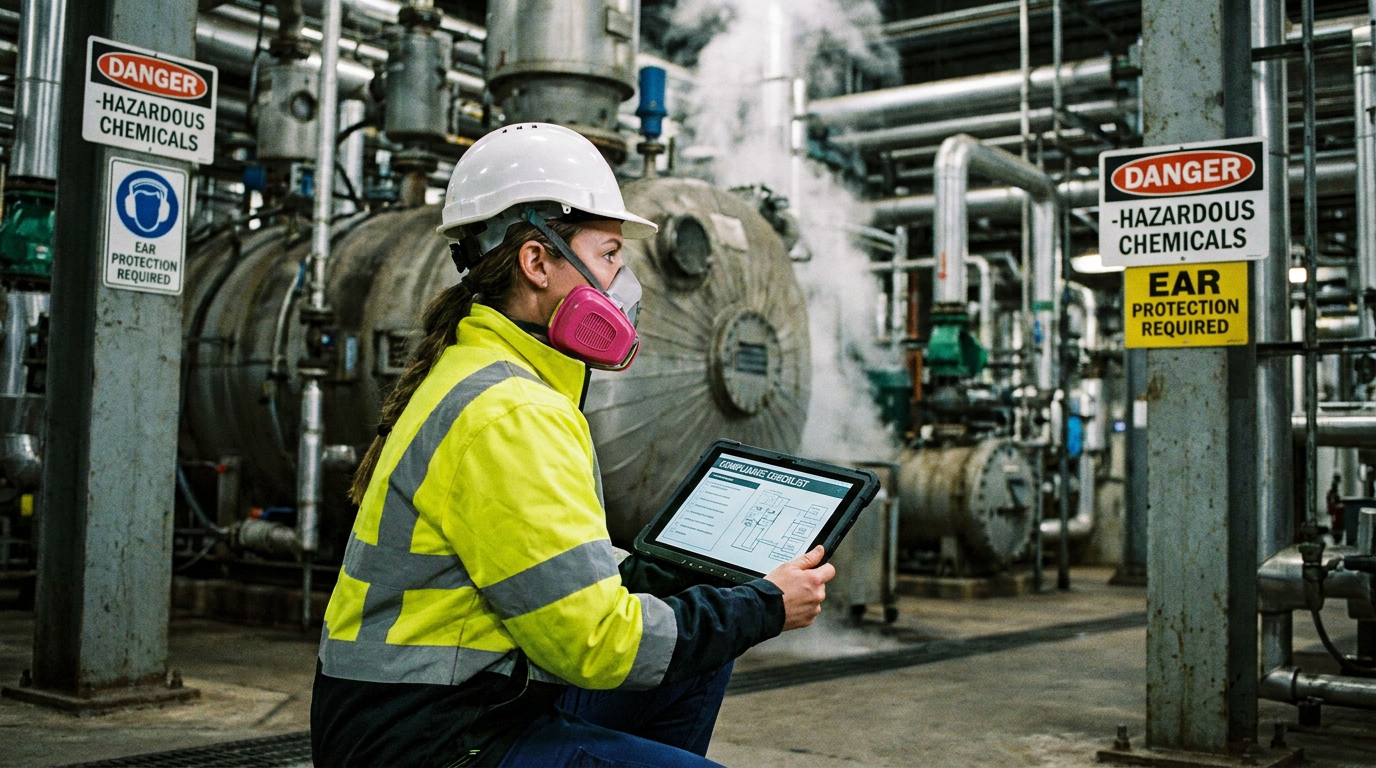
At its core, hazardous zone compliance is a systematic and life-saving methodology designed to prevent catastrophic explosions in environments where flammable substances are present. Think of a sprawling oil refinery, a chemical processing plant, a grain silo filled with fine dust, or even a municipal wastewater treatment facility. In all these places, the air itself can, under certain conditions, become a fuel. Hazardous zone compliance is the framework of rules, engineering principles, and operational procedures that ensures a stray spark, a hot surface, or an electrical fault does not become the ignition source for a devastating event. It moves safety from a reactive, hope-based approach to a proactive, science-based discipline. The fundamental principle is elegantly simple: if you cannot eliminate the fuel (flammable gas, vapor, or combustible dust) or the oxygen (the air), you must rigorously and absolutely control all potential sources of ignition. This framework is not merely a set of guidelines to follow; it is a deeply ingrained safety philosophy that dictates the design of a facility, the selection of every piece of electrical and mechanical equipment, and the daily work practices of every person on site.
- Hazardous Area Classification (HAC)
- Equipment Selection and Certification
- Ongoing Inspection and Maintenance
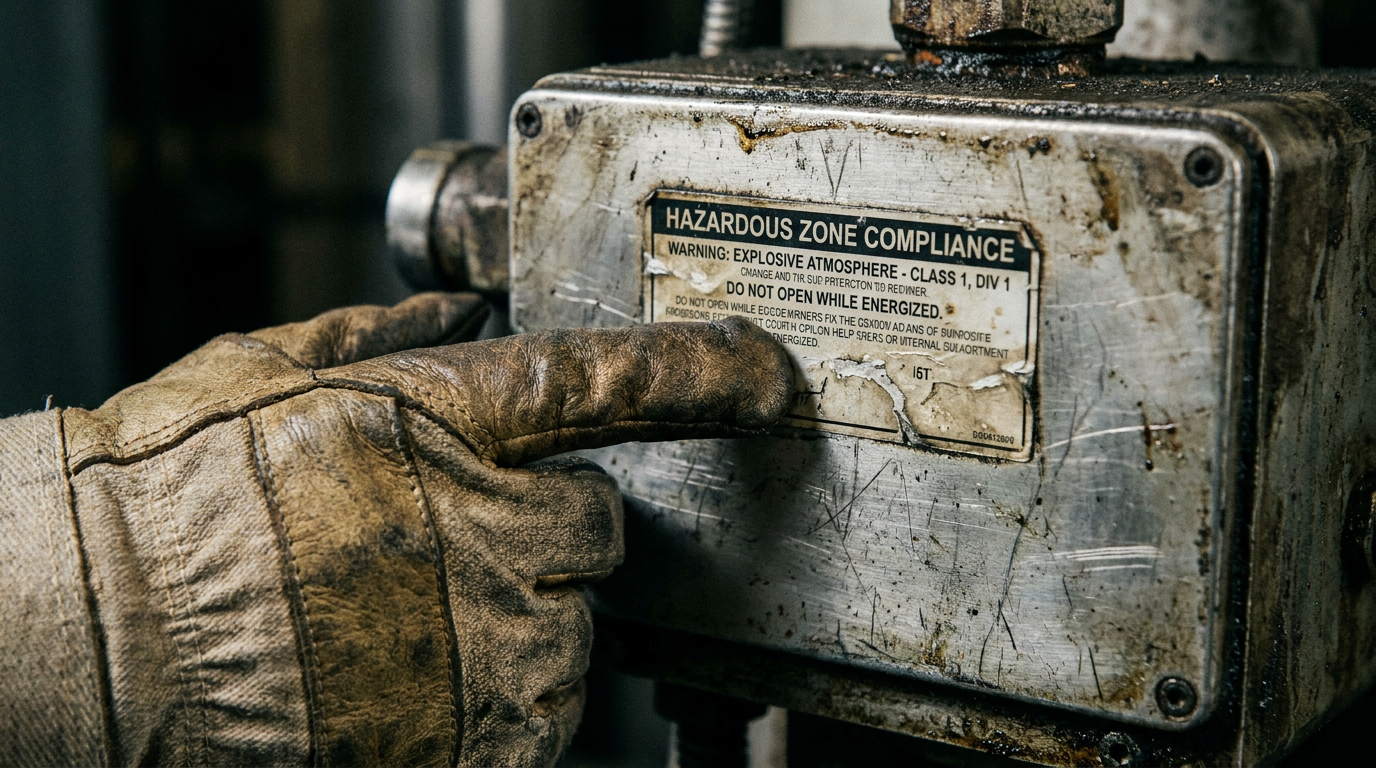
The Expanding Circle of Responsibility: Who Truly Owns Hazardous Zone Compliance?
When we discuss the intricate world of hazardous zone compliance, it’s tempting to picture a single, dedicated safety officer, clipboard in hand, ticking off boxes on a checklist. This image, while not entirely inaccurate, is dangerously simplistic. The reality is that the responsibility for understanding and implementing these essential safety guidelines is not a singular role but a vast, interconnected web of accountability that stretches across entire organizations and even beyond their physical boundaries. It is a shared duty, a collective consciousness that must permeate every level of an operation, from the boardroom where budgets are set to the plant floor where the work is done. To treat it as anything less is to fundamentally misunderstand the nature of risk in these volatile environments and to invite potential disaster. The question isn’t who *should* care about hazardous zone compliance, but rather, who can afford *not* to? The answer, quite simply, is no one.
- Facility Owners and Corporate Leadership
- Engineers, Designers, and Project Managers
- Maintenance, Inspection, and Operations Teams
Equip Your Facility with Certified Intrinsically Safe Hardware
Eliminate ignition risks across your designated hazardous zones. Source fully compliant, ruggedized industrial equipment from our comprehensive catalog.
Quick Reference: Hazardous Zone Framework
| Concept / Standard | Definition & Application | Category |
|---|---|---|
| Zone 0, 1, & 2 Classifications | Areas defined by the likelihood and duration of an explosive gas or vapor atmosphere’s presence. Dictates strict equipment selection. | Area Classification |
| Explosion-Proof (Ex d) | Engineering method designed to contain an internal explosion, cooling escaping gases to prevent the ignition of the surrounding air. | Protection Type |
| Intrinsically Safe (Ex i) | Equipment that operates at energy levels so low it is physically incapable of producing a spark or thermal effect to cause ignition. | Protection Type |
| ATEX & IECEx | ATEX is the mandatory legal framework for the EU; IECEx is a voluntary international certification scheme for explosive atmospheres. | Regulatory Standard |
| Shared Responsibility Web | The collective accountability ensuring compliance across the organization, spanning owners, engineers, and maintenance operators. | Operational Policy |
Key Benefits of UL Certification
- Enhanced Safety
- Operational Continuity
- Reputation and Trust
- Process Optimization
- Legal and Regulatory Compliance
FAQs
What exactly is a “hazardous zone” and how is it classified?
A hazardous zone is an area where an explosive atmosphere could form. It’s classified based on the likelihood and duration of the explosive atmosphere’s presence, divided into zones (e.g., Zone 0, 1, 2 for gas/vapour). This classification is crucial for selecting appropriate equipment.
What is the difference between ATEX and IECEx?
ATEX is a mandatory legal framework for the EU, while IECEx is a voluntary international certification scheme. Both relate to equipment for explosive atmospheres and are based on similar standards, but they are not directly interchangeable.
Can you explain the main types of explosion protection, like “explosion-proof” and “intrinsically safe”?
“Explosion-Proof” (Ex d) equipment contains an internal explosion, cooling any escaping gases to prevent ignition of the surrounding atmosphere. “Intrinsically safe” (Ex i) equipment operates at such low energy levels that it cannot produce a spark or thermal effect to cause ignition.
Who is responsible for ensuring hazardous zone compliance at a facility?
It’s a collective responsibility. While facility owners have ultimate legal accountability, engineers, maintenance teams, and operators all have crucial roles in ensuring compliance and safety.
Why is hazardous zone compliance important?
It’s essential for preventing catastrophic explosions, protecting human lives, ensuring operational continuity, and maintaining a company’s reputation and legal standing.
Chat for a Quote
Call: 832-699-6726
Conclusion
As we have journeyed through the intricate landscape of hazardous zone compliance, a central theme has emerged: true safety is not a document on a shelf or a certificate on a wall, but a living, breathing culture of vigilance. It begins with a deep understanding of the fundamental risks and the scientific classification of zones, creating a clear map of potential dangers within your facility. It is built upon the correct selection, meticulous installation, and diligent maintenance of specialized equipment, ensuring that every component is a guardian against ignition. This responsibility is a shared covenant, extending from the boardroom to the plant floor, binding leadership, engineers, maintenance crews, and operators in a common purpose. The benefits of this commitment are profound, safeguarding human lives, protecting immense financial assets, and building a corporate reputation synonymous with reliability and trust. By following a methodical path of risk assessment, classification, and documentation, and by recognizing the critical moments for review—from initial design to the management of change—you transform compliance from a daunting obligation into a manageable and strategic process. Ultimately, the goal is to move beyond the mere act of compliance and to forge a culture of inherent safety, where every individual is empowered, educated, and committed to protecting themselves and their colleagues. This is the true measure of success, creating an environment where safety is not just a priority, but an intrinsic value woven into the very fabric of your operations.