Intrinsically Safe Knowledge Base
Intrinsically Safe Fans | ATEX & Class I Div 1 Certified
In hazardous work environments where flammable gases, vapors, or dust are present, maintaining safe air circulation is not just a recommendation—it’s a regulatory and safety necessity. Conventional fans, even those used in industrial settings, can pose a severe ignition risk. This is where intrinsically safe fans come in.
Built to eliminate ignition sources, intrinsically safe fans are engineered to function safely in explosive atmospheres. Whether you operate in oil and gas, chemical manufacturing, or food processing, investing in these explosion-proof ventilation systems can mean the difference between compliance and catastrophe.
In this article, we’ll explain what makes a fan intrinsically safe, how to select the right model, and which certified options are available through the Intrinsically Safe Store.
Browse our full Intrinsically Safe Fan collection to ensure safe airflow in hazardous locations.
What Is an Intrinsically Safe Fan?
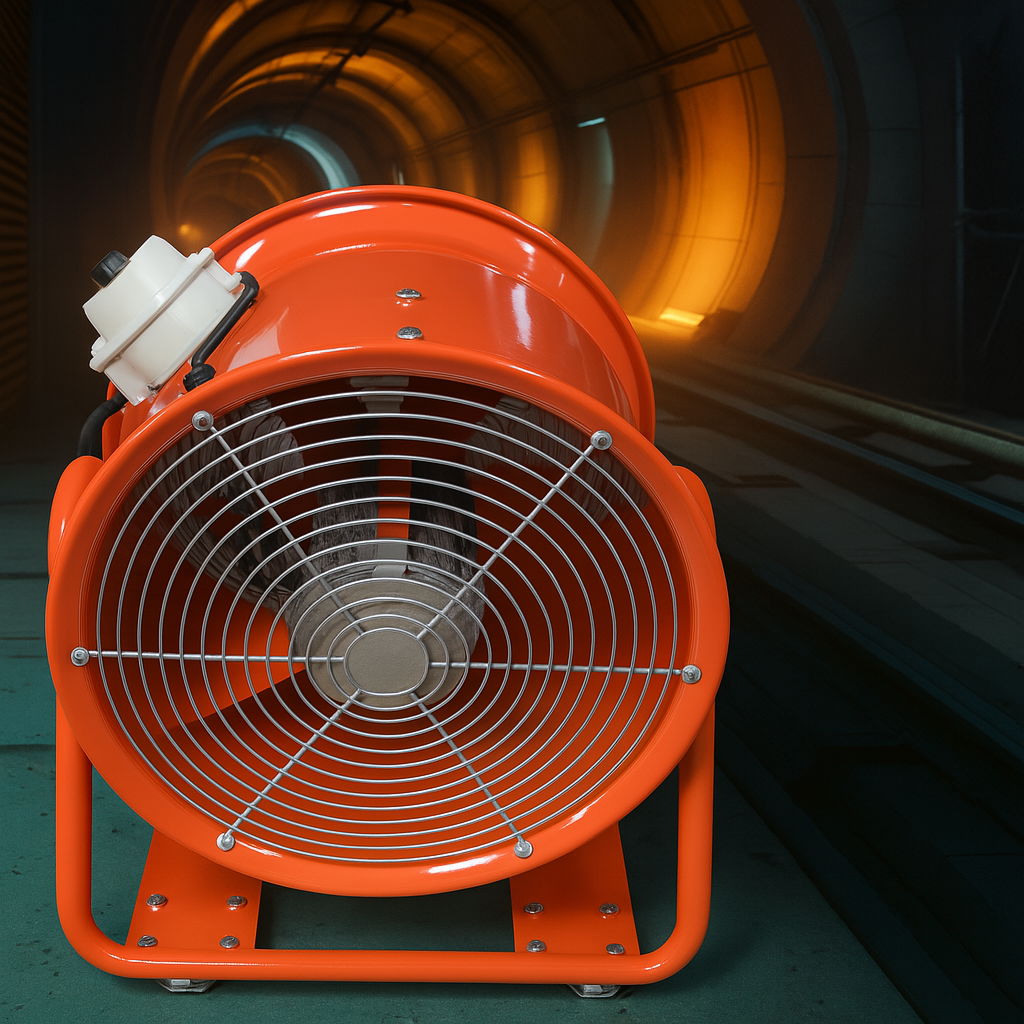
An intrinsically safe fan is a ventilation device designed specifically for use in explosive or flammable atmospheres. These fans are built to minimize or eliminate all potential ignition sources—including electrical arcs, hot surfaces, and static discharge.
Their construction typically includes:
-
Explosion-proof motors
-
Spark-proof blades
-
Conductive ducting materials
-
Anti-static grounding wires
-
Chemical-resistant housing
The purpose is simple: to ensure safe airflow without the risk of igniting combustible substances in hazardous environments.

What Certifications Should You Look For?
Certifications are the core of what defines a fan as intrinsically safe. These standards indicate that the unit has passed rigorous testing to ensure safe performance in hazardous areas.
Common Certifications for Explosion-Proof Fans
| Certification | Description | Region |
|---|---|---|
| ATEX | Required for explosive atmospheres in the EU | Europe |
| IECEx | Global standard for electrical equipment in explosive areas | International |
| UL / CSA | U.S. and Canadian standards for Class I, II, III hazardous zones | North America |
| NFPA 70/NEC | U.S. National Electrical Code guidelines | United States |
Every fan listed in our Explosion Proof Fans category includes its certification type, ensuring you can match it to the regulatory needs of your operation.
Need help decoding certifications? Use our ATEX & IECEx Certification Guide to learn more.
Where Are Intrinsically Safe Fans Required?
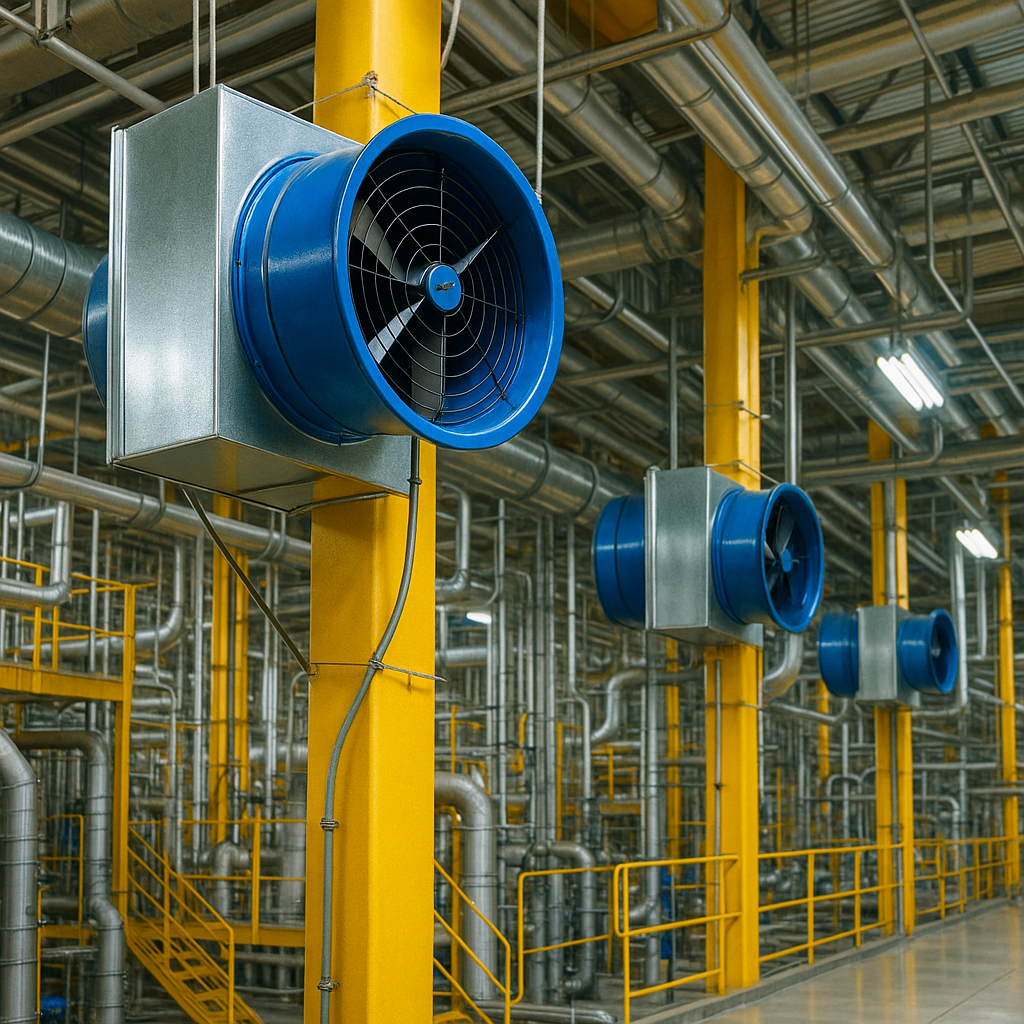
Intrinsically safe fans are essential in work zones where flammable substances are present or where gases, vapors, or dusts are part of the process.
Industries That Require Explosion-Proof Ventilation
| Industry | Common Use Cases |
|---|---|
| Oil & Gas | Tank farms, offshore rigs, pipeline maintenance |
| Mining | Underground ventilation, dust suppression |
| Chemical Plants | Solvent extraction, mixing areas |
| Food Processing | Grain silos, sugar packaging |
| Pharmaceuticals | Clean rooms, solvent recovery |
| Paint and Coatings | Spray booths, solvent rooms |
If there’s a chance for combustible dust or gas exposure, an intrinsically safe fan is not optional—it’s required by law in many jurisdictions.
Not sure if your facility qualifies? Discover when intrinsically safe equipment is required in hazardous environments.
What Features Distinguish Intrinsically Safe Fans?
To ensure safe operation in hazardous areas, intrinsically safe fans are designed with several critical features.
Key Safety Features:
-
Explosion-Proof Motors: Fully sealed to contain internal sparks or heat.
-
Non-Sparking Blades: Made from composite or aluminum to reduce frictional ignition.
-
Grounding Cables: Discharge static electricity safely.
-
Anti-Corrosive Materials: Withstand harsh chemicals and environments.
-
High CFM Ratings: Maintain effective airflow in confined or contaminated spaces.
These features ensure the fan will perform effectively while keeping your team safe from potential explosions or fires.
Top Intrinsically Safe Fan Models Compared
Below is a comparison of the most popular explosion-proof fans available at the Intrinsically Safe Store:
Fan Comparison Table
| Model | Certifications | CFM | Fan Size | Features | Price |
|---|---|---|---|---|---|
| RamFan EFi75xx – 12″ | UL/CSA, ATEX | 1,170 CFM | 12 in | Rugged, chemical-resistant | $4,150.00 |
| RamFan EFi50xx – 16″ | UL, IECEx | 2,000+ CFM | 16 in | Explosion-proof motor, heavy-duty frame | $3,800.00 |
| RamFan UB20xx – 8″ | UL/CSA Class I Div 1 | 980 CFM | 8 in | Portable, duct-compatible | $2,233.00 |
| Atlantic Blowers ABAF-12-110E | Explosion-proof | ~1000 CFM | 12 in | Lightweight, high-efficiency | $995.63 |
| Canarm SD12-XPF | CSA Explosion Proof | 690 CFM | 12 in | Wall-mounted exhaust, shuttered | $1,076.24 |
| Atlantic Blowers ABAF-8-110E | Explosion-proof | 500+ CFM | 8 in | Compact, entry-level | $475.08 |
| Portacool Jetstream 270 | UL Explosion-Proof | 11,000+ CFM | 48 in | High-volume, evaporative cooling | $13,648.95 |
Best Intrinsically Safe Fan by Use Case
| Use Case | Recommended Model | Reason |
|---|---|---|
| Confined Space Entry | RamFan UB20xx | Lightweight, ductable, portable |
| Spray Booth or Paint Room | Atlantic Blowers ABAF-16-110E | Compact, certified, non-sparking |
| Large Area Cooling | Portacool Jetstream 270 | High-capacity airflow, rugged design |
| Wall-Mount Ventilation | Canarm SD24-XPF | Reliable, shuttered exhaust |
| Hazardous Chemical Handling | RamFan EFi75xx | Highest safety certifications |
| Budget-Conscious Jobs | Atlantic Blowers ABAF-8-110E | Safe, compact, and affordable |
Need a custom recommendation? Contact our safety experts to help choose the right fan for your job site.
FAQs About Intrinsically Safe Fans
What makes a fan intrinsically safe?
An intrinsically safe fan is engineered to operate without igniting explosive atmospheres. This is achieved through sealed motors, spark-proof construction, and grounded components, meeting certifications like UL, ATEX, or IECEx.
Can I use a regular industrial fan in a hazardous zone?
No. Using a standard fan in a flammable or combustible environment can result in explosions or fires. Only certified explosion-proof or intrinsically safe fans should be used in such areas.
How do I choose the right size fan?
Fan size is often dictated by the airflow required (measured in CFM), the size of the space, and whether the fan will be portable or mounted. Confined spaces typically require portable ductable models, while warehouses might use high-CFM or wall-mounted exhaust fans.
Do intrinsically safe fans need regular maintenance?
Yes. While designed for durability, these fans still require routine inspection. Key tasks include checking grounding cables, cleaning blades, inspecting ducting, and verifying that the unit remains compliant after any repairs or relocation.
Are these fans OSHA compliant?
Yes. Models sold at Intrinsically Safe Store meet OSHA, NFPA, and other global safety standards when installed and used according to manufacturer guidelines.
Maintenance and Safety Tips
To ensure longevity and safety compliance:
-
Inspect grounding wires quarterly.
-
Clean fan blades and ducts of dust buildup.
-
Verify certification labels are intact and legible.
-
Replace damaged power cords immediately.
-
Never bypass built-in safety mechanisms.
Failure to perform basic maintenance can compromise the safety integrity of even certified units.
How Much Does an Intrinsically Safe Fan Cost?
Price Range Breakdown
| Category | Price Range | Models |
|---|---|---|
| Entry-Level | $475–$1,000 | Atlantic Blowers ABAF-8-110E, ABAF-10-110E |
| Mid-Tier | $1,000–$2,500 | RamFan UB20xx, Canarm SD12-XPF |
| High-End | $2,500–$4,500+ | RamFan EFi75xx, EFi50xx |
| Specialty or High-Volume | $10,000+ | Portacool Jetstream 270 |
The right choice depends on the hazard classification, airflow needs, and physical setup of your environment.
Conclusion
Choosing the right intrinsically safe fan is a critical step in maintaining ventilation safety in hazardous environments. These fans are not only built to perform—they’re built to protect lives, property, and operational uptime.
Whether you’re ventilating a confined tank, handling solvents in a pharmaceutical lab, or managing dust in a food processing facility, a certified explosion-proof fan is an essential safety tool.
To browse our full collection, visit the Intrinsically Safe Fans category for models from trusted brands like RamFan, Atlantic Blowers, and Canarm.