























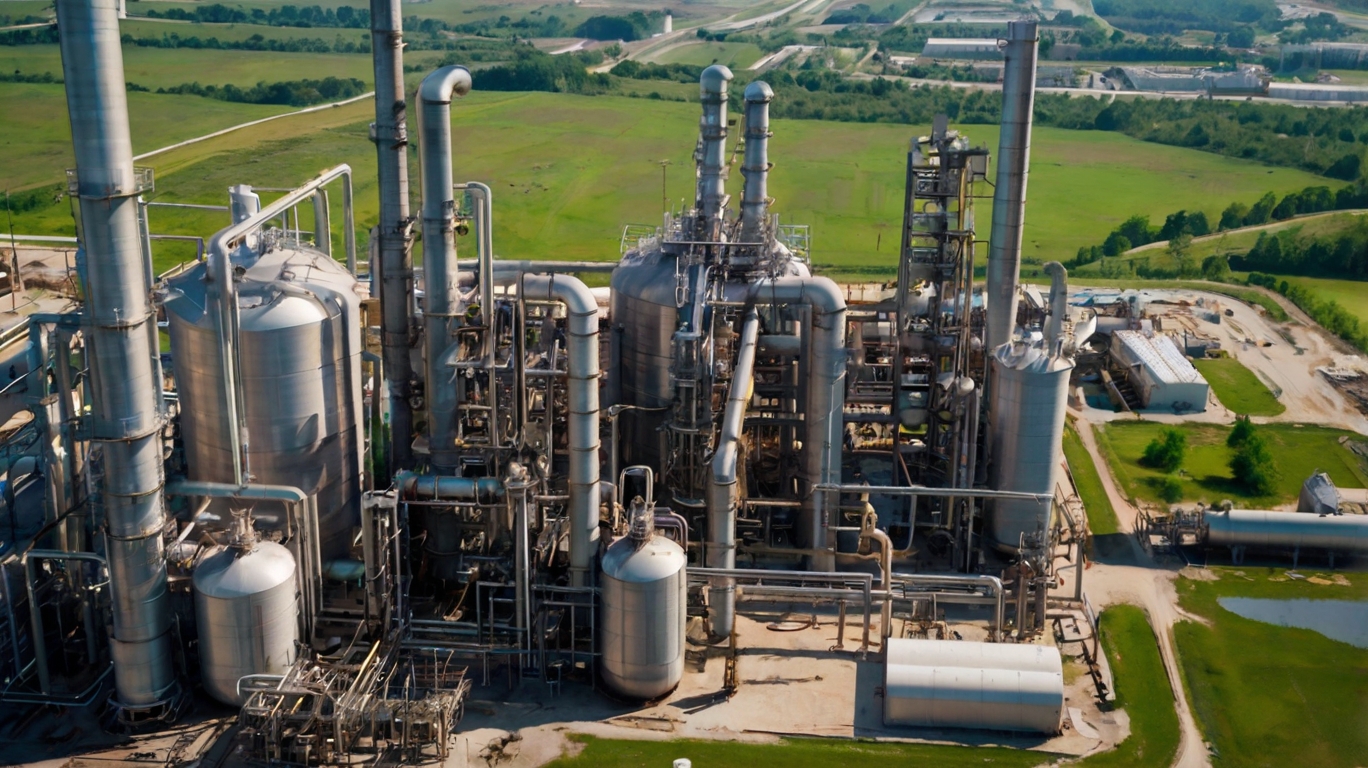
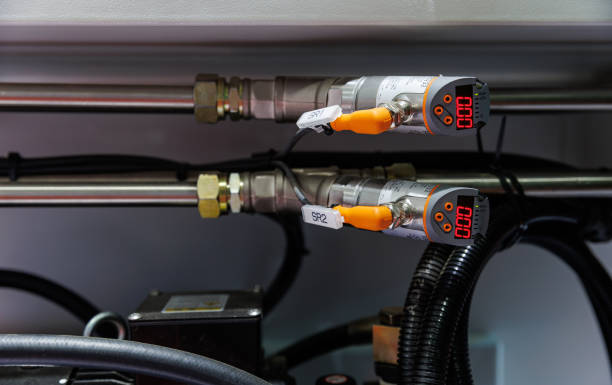
In high-risk industries where flammable gases, vapors, or combustible dust create a volatile atmosphere, standard electronic equipment poses a constant threat of ignition. Intrinsically Safe (IS) design is a fundamental safety principle that mitigates this risk by ensuring that devices are incapable of releasing sufficient energy to cause a fire or explosion. This guide provides a comprehensive overview of intrinsically safe equipment, from its core principles to regulatory standards and practical applications.
Understanding Intrinsically Safe Equipment
Definition and Key Features
Intrinsically safe equipment is designed to operate at energy levels too low to cause ignition of a specific hazardous atmosphere, thereby mitigating ignition risk. Key features include:
- Low Energy Levels: The equipment operates at energy levels that are too low to cause ignition.
- Ruggedized Design: IS equipment is often also ruggedized to withstand the harsh industrial environments where it is deployed, though this is separate from its core energy-limiting safety principle.
- Certification: Must meet stringent safety standards and regulations, such as ATEX and IECEx.
Key Features & Benefits of Using Intrinsically Safe Equipment
Beyond the primary goal of mitigating ignition risk, integrating intrinsically safe equipment into your operations delivers several key business advantages:
- Enhanced Worker Safety: The most critical benefit is the significant reduction in risk to personnel working in hazardous zones, fostering a safer work environment and boosting morale.
- Operational Continuity: By mitigating the risk of ignition from electrical equipment, IS devices help avoid catastrophic shutdowns, equipment damage, and lengthy downtime, ensuring your operations run smoothly and efficiently.
- Compliance and Reduced Liability: Using certified IS equipment is a critical step in achieving adherence to stringent safety regulations like ATEX and IECEx, protecting the company from legal penalties and reducing insurance premiums.
- Increased Flexibility: Since IS circuits are low-power, maintenance can often be performed without a complete shutdown or “hot-work” permits, increasing operational flexibility and reducing maintenance costs.
Importance in Safety Innovations
The significance of intrinsically safe equipment cannot be overstated. In industries such as oil and gas, chemical manufacturing, pharmaceuticals, mining, and food processing, the use of this equipment is crucial in reducing the risk of ignition-related accidents. By integrating safety innovations, companies can enhance their safety protocols and protect their workforce.
How to Choose Intrinsically Safe Equipment
Factors to Consider
When selecting intrinsically safe equipment, consider the following factors:
- Environment: Assess the specific hazardous conditions (e.g., presence of flammable gases or dust).
- Compliance: Ensure the equipment meets relevant safety standards and regulations.
- Application: Choose equipment that is suitable for the intended use, whether for monitoring, control, or protection.
Tips for Selection
- Consult Experts: Engage with safety professionals to understand the best options for your needs.
- Review Case Studies: Look at successful implementations in similar industries to guide your selection process.
- Test and Validate: Ensure the equipment is tested in real-world conditions to confirm its effectiveness.

Regulatory Compliance
Overview of Current Regulations
Regulatory compliance is a critical aspect of workplace safety. Key regulations affecting safety equipment include:
- ATEX Directive: Governs equipment used in explosive atmospheres within the EU.
- IECEx Certification: International standard for equipment used in explosive environments.
- US NEC Standards (enforced by OSHA): In the U.S., OSHA enforces the National Electrical Code (NEC), which uses the Class/Division system as the primary framework for hazardous locations. Equipment must be certified by a Nationally Recognized Testing Laboratory (NRTL).
Importance of Staying Updated
Staying informed about regulatory changes is essential for compliance officers and safety professionals. Regular training and updates can help organizations adapt to new regulations and maintain safety standards.
Case Studies
Successful Implementations in Various Industries
- Oil and Gas: A major oil company implemented intrinsically safe equipment in offshore drilling operations, significantly reducing the risk of explosions and enhancing worker safety.
- Chemical Manufacturing: A chemical plant adopted intrinsically safe sensors to monitor hazardous materials, which helped improve safety outcomes.
- Pharmaceuticals and Food Processing: A processing firm utilized intrinsically safe tools on-site, which helped enhance compliance with safety regulations and protect workers from potential hazards.
Lessons Learned and Best Practices
- Invest in Training: Continuous training for employees on the use of safety equipment is vital.
- Regular Audits: Conducting safety audits can help identify potential risks and ensure compliance with regulations.
- Feedback Mechanism: Establish a system for workers to report safety concerns and suggestions for improvement.
Conclusion
In conclusion, intrinsically safe equipment plays a vital role in enhancing safety in hazardous environments. By understanding its importance, selecting the right equipment, and adhering to regulatory compliance, organizations can significantly reduce workplace accidents. For further engagement, consider reaching out to safety professionals or exploring additional resources on safety technologies.
Ready to secure your hazardous areas with certified equipment? Talk to a hazardous-area specialist today to get a quote and find the right solution for your needs.
FAQs
What is intrinsically safe equipment?
Intrinsically safe equipment is designed to operate at energy levels too low to cause ignition of a specific hazardous atmosphere, thereby mitigating ignition risk.
Why is regulatory compliance important for safety equipment?
Regulatory compliance ensures that safety equipment meets established safety standards, reducing the risk of accidents and legal liabilities.
What industries benefit from intrinsically safe equipment?
Industries such as oil and gas, chemical manufacturing, pharmaceuticals, mining, and food processing benefit significantly from intrinsically safe equipment to enhance workplace safety.
How can I choose the right intrinsically safe equipment?
Consider factors such as the specific hazardous environment, compliance with safety standards, and the intended application of the equipment.
What are some best practices for implementing safety equipment?
Best practices include investing in employee training, conducting regular safety audits, and establishing a feedback mechanism for safety concerns.
What is the difference between Intrinsically Safe and Explosion Proof?
Intrinsically Safe (IS) equipment mitigates explosion risk by limiting the electrical and thermal energy to a level below what can ignite a hazardous atmosphere. Explosion-proof (XP) equipment, on the other hand, is built to contain an internal explosion and prevent it from propagating to the outside environment. IS is a preventative method, while XP is a containment method.
