






















As industries continue to evolve, the need for safety in hazardous environments has become paramount. This is where Intrinsically Safe Store, a leading provider of intrinsically safe equipment, comes into play. We offer a wide range of products designed to enhance safety in potentially explosive environments. But, how can one ensure the effective use of these devices? The answer lies in simulation-based training. Visit the Intrinsically Safe Store to explore our full range of certified safety equipment.
Understanding Intrinsically Safe Equipment
Intrinsically safe equipment is designed to prevent the ignition of flammable substances by limiting the energy available for ignition. This is achieved by limiting electrical and thermal energy to a level below that required to ignite a specific hazardous atmosphere, under both normal and specified fault conditions. This principle is fundamental to operating safely in environments classified as hazardous areas, such as those with flammable gases or combustible dust. Understanding how to handle this specialized equipment is the first step toward workplace safety.
The Need for Simulation-Based Training
While having intrinsically safe equipment is crucial, knowing how to use it effectively is equally important. This is where training simulations comes in. It provides a safe, controlled environment where users can learn and practice using the equipment without the risk of causing an actual explosion.
Key Features & Benefits of Simulation-Based Training
Effective training simulations are more than just a walkthrough; they are sophisticated tools designed to build real-world competence. By focusing on both key features and measurable benefits, organizations can maximize their return on safety investment.
Core Features of Effective Training Simulations
- Realistic Scenarios: Simulations should mirror the specific hazardous environments and tasks employees will face, from routine operations to emergency response protocols.
- Real-Time Feedback: The system should provide immediate, constructive feedback on user actions, reinforcing correct procedures and correcting mistakes as they happen.
- Performance Metrics: Training should track and measure user performance against established safety standards, allowing for objective assessment of competency and readiness.
- Interactive Equipment Models: Users should be able to interact with virtual replicas of actual equipment, such as operating intrinsically safe devices or tools within the simulation.
Benefits of Simulation-Based Training
Enhanced Learning Experience: Simulation-based training provides a hands-on learning experience, which is more effective than traditional classroom-based training.
Reduced Risk: Since the training is conducted in a simulated environment, it reduces the risk of accidents during the learning process.
Improved Performance: Simulation-based training allows for immediate feedback, which helps improve performance and proficiency in using the equipment.
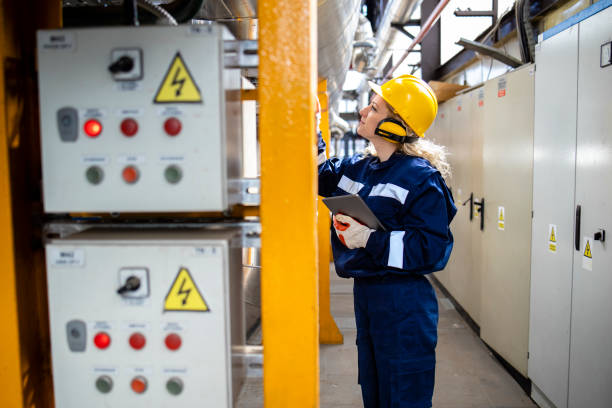
Case Study: Simulation-Based Training in Action
A study conducted by the National Institute for Occupational Safety and Health (NIOSH) found that simulation-based training significantly improved the ability of miners to respond to a mine emergency. The study involved a virtual reality simulation that allowed miners to practice using safety equipment in a simulated mine environment. The results showed that the miners who received training simulations were more proficient in using the safety equipment and had a better understanding of mine emergency procedures.
Frequently Asked Questions
What is simulation-based training for intrinsically safe equipment?
It is a method that uses virtual or controlled environments to replicate hazardous scenarios. Trainees can practice operating intrinsically safe devices and follow safety protocols without any real-world risk, ensuring they build competence and muscle memory in a safe setting.
Who should undergo this type of training?
This training is essential for any personnel working in hazardous locations, including technicians, engineers, and maintenance staff in industries like oil and gas, chemical processing, mining, and pharmaceuticals. It ensures everyone understands how to handle certified equipment correctly.
Is simulation training a substitute for real-world experience?
No, it is a powerful complement. Simulation builds a strong foundation of knowledge and skills in a controlled environment. This prepares employees for hands-on experience, reducing the likelihood of errors and accidents when they work with real equipment in live hazardous areas.
How does this training improve regulatory compliance?
By familiarizing personnel with the correct operational procedures for certified equipment, simulation training helps ensure adherence to strict safety standards like ATEX and IECEx. It provides a documented way to verify employee competence, which is crucial for compliance audits.
Enhancing Safety with Simulation-Based Training
Simulation-based training for using intrinsically safe equipment is a powerful tool that can significantly enhance safety in hazardous environments. It provides a safe, controlled environment for learning and practicing the use of safety equipment, reducing the risk of accidents and improving performance. As industries continue to evolve, the need for such training will only increase. Explore our catalog of certified solutions to equip your team.
If you have any questions or need further information, don’t hesitate to talk to a hazardous area safety specialist.