



















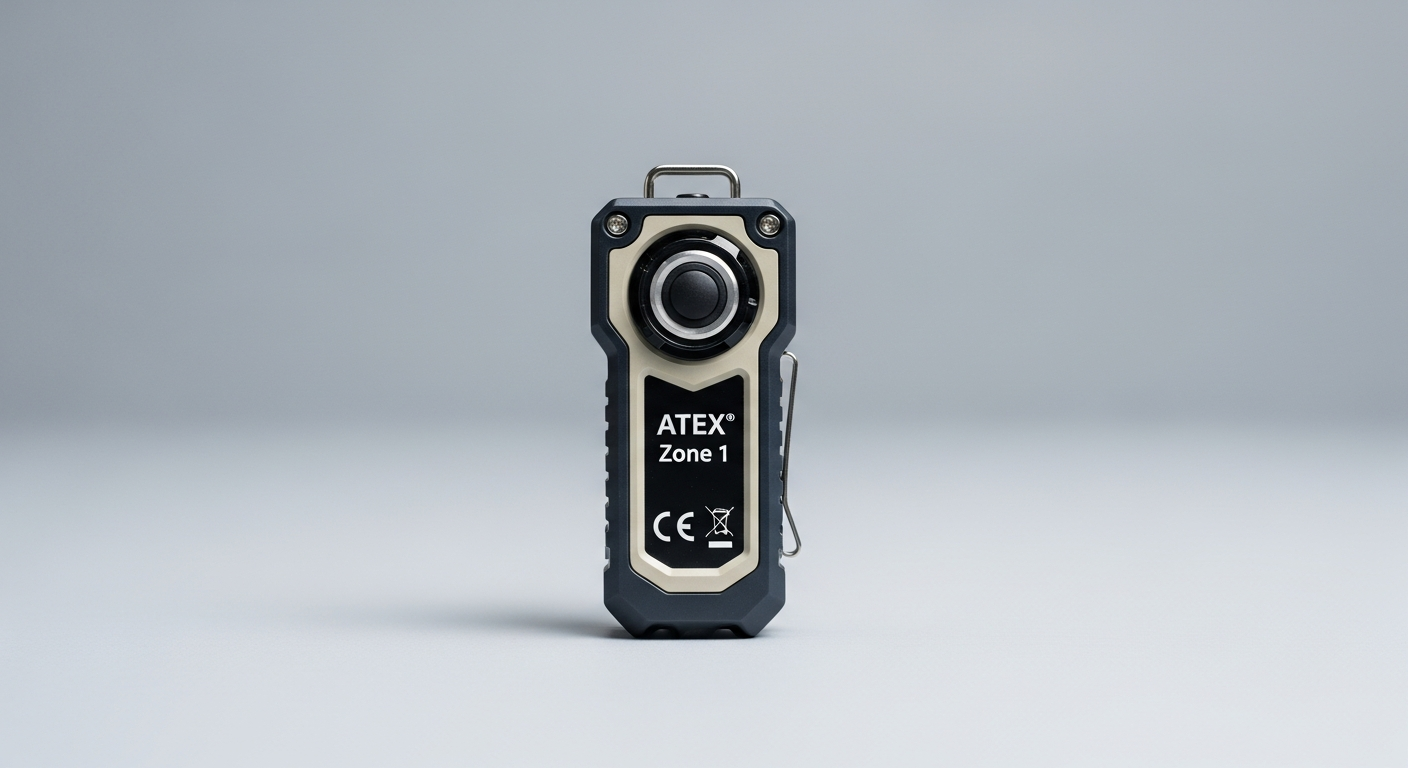
Distinguishing between ATEX Zone 1 vs Zone 2 is a fundamental requirement for ensuring safety and compliance in hazardous industrial environments. These classifications, defined by the European ATEX directive, dictate the level of protection required for electrical and mechanical equipment to prevent ignition of flammable atmospheres. A misunderstanding of these crucial differences can lead to incorrect equipment selection, creating significant safety risks and potential non-compliance with legal standards. This guide provides a clear, practical breakdown of what separates Zone 1 from Zone 2, how to identify them, and the direct impact on equipment specification for facilities handling flammable gases, vapors, or mists.
Deepen Your Hazardous Area Classification Knowledge
While ATEX is the European standard, understanding the principles of other systems like NEC provides a broader safety perspective. Explore our guide on Class 1 Division 2 requirements to see how different frameworks address similar risks.
Understanding ATEX Zone 1: Likely Hazardous Conditions
An ATEX Zone 1 classification designates an area where an explosive atmosphere, composed of flammable gas, vapor, or mist mixed with air, is likely to occur during normal operation. This does not mean the hazard is present continuously, but rather that it can be expected to appear intermittently or periodically under standard operating conditions. The official definition specifies a risk that is frequent but not constant. According to the IEC 60079-10 standard, which provides the framework for classifying hazardous areas, the determination of a Zone 1 environment is based on a detailed risk assessment analyzing the frequency and duration of the release of flammable substances.
The implications of a Zone 1 classification are significant for equipment selection. Any device intended for use in this zone must have a high level of protection to ensure it cannot become an ignition source. This corresponds to ATEX Equipment Category 2G (for gas) and an Equipment Protection Level (EPL) of Gb. Category 2G equipment is designed to be safe even if one fault occurs or in the presence of expected disturbances. This involves more robust construction, specific enclosure types (like flameproof ‘d’ or increased safety ‘e’), and stringent testing to ensure it provides the required level of protection during probable hazardous conditions.
Defining ATEX Zone 2: Unlikely and Brief Hazards
In contrast, an ATEX Zone 2 area is a location where an explosive atmosphere is not likely to occur during normal operation, and if it does, it will only persist for a very short period. These are typically areas adjacent to Zone 1 locations or places where flammable substances are handled in closed systems from which they can only escape in case of an accidental rupture or breakdown. The key distinction is the probability; the hazard in Zone 2 is considered abnormal and infrequent.
This lower risk profile allows for less stringent, though still certified, equipment requirements. Here are the key characteristics of a Zone 2 environment:
- Lower Risk Profile: The presence of an explosive atmosphere is an exception, not a regular part of operations. It is typically caused by equipment failure, accidental spills, or maintenance errors.
- Short Duration: Should a flammable atmosphere form, it is expected to disperse quickly. The total time the hazard exists per year is measured in hours, not days or weeks.
- Less Stringent Equipment: Equipment for Zone 2 must meet the criteria for ATEX Equipment Category 3G, which corresponds to an EPL of Gc. This provides an adequate level of protection for normal operation.
- Common Scenarios: Examples include storage areas with sealed containers, properly ventilated rooms adjacent to process areas, or locations where flammable liquids are transferred through robust piping systems that rarely fail.
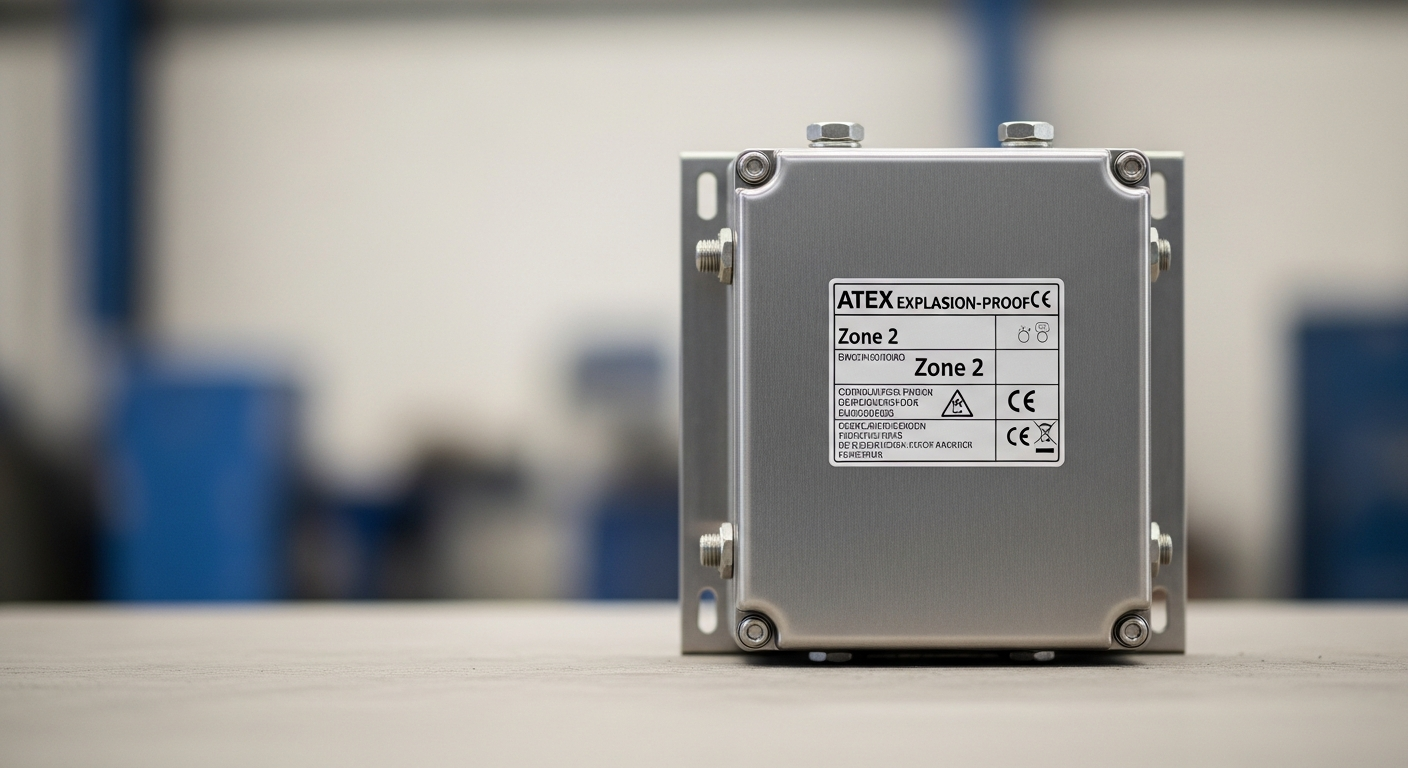
Choosing Equipment: Critical Differences for Zone 1 vs. Zone 2
The primary consideration when comparing atex zone 1 vs zone 2 is the direct impact on equipment selection and certification. Using equipment that is not certified for the correct zone can invalidate safety protocols and insurance, and most importantly, lead to a catastrophic event. A higher-rated piece of equipment can be used in a lower-rated zone (e.g., Zone 1 equipment in a Zone 2 area), but never the other way around.
Here is a breakdown of the critical differences to consider:
- Equipment Protection Level (EPL): This is the most direct specification. Zone 1 mandates equipment with an EPL of ‘Gb’, signifying a high level of protection, safe during expected malfunctions. Zone 2 requires an EPL of ‘Gc’, which offers a normal level of protection suitable for areas where hazards are rare.
- ATEX Equipment Category: Zone 1 requires Category 2G equipment. This category ensures safety with a single fault present. Zone 2 requires Category 3G equipment, which is designed to be safe only during normal operation, as the presence of an explosive atmosphere is already an abnormal condition.
- Cost and Engineering: Due to the more demanding safety requirements, Category 2G/EPL Gb equipment is engineered with greater robustness, often using more complex protection methods like flameproof enclosures or intrinsic safety barriers. This results in a higher cost compared to Category 3G/EPL Gc equipment.
- Inspection and Maintenance: While both zones require regular inspections, the protocols for Zone 1 are often more rigorous. The higher probability of a hazardous atmosphere necessitates more frequent and detailed checks to ensure the integrity of the protection methods.
Recommended Products for ATEX Zone Applications
The following products from our catalog are certified for use in hazardous areas and directly relevant to this guide:
| Product Category | Rating / Certification | Link |
|---|---|---|
| ATEX Zone 1 Rated Equipment | ATEX Zone 1 / EPL Gb | Shop Now |
| ATEX Zone 2 Rated Equipment | ATEX Zone 2 / EPL Gc | Shop Now |
Shop Certified ATEX Zone 1 & 2 Solutions
Ensure your facility meets all safety standards with equipment certified for its specific zone. Browse our catalog of ATEX-rated devices designed for reliability in hazardous environments.
Frequently Asked Questions
Can you use Zone 1 equipment in a Zone 2 area?
Yes, it is permissible and safe to use equipment certified for a higher-risk zone in a lower-risk one. Therefore, ATEX Zone 1 (Category 2G) equipment can be installed in an ATEX Zone 2 area. However, the reverse is strictly prohibited; Zone 2 equipment is not safe for use in Zone 1.
What is the difference between ATEX Zone 0, 1, and 2?
These zones classify areas based on the frequency and duration of a hazardous gas atmosphere. Zone 0 is an area where an explosive atmosphere is present continuously or for long periods. Zone 1 is where it is likely to occur in normal operation. Zone 2 is where it is unlikely to occur, and if it does, only for a short time.
How is the zone classification determined for a facility?
Zone classification must be carried out by competent personnel through a detailed risk assessment. This process involves analyzing potential sources of flammable releases, ventilation characteristics, and the physical properties of the substances involved, as guided by standards like IEC 60079-10.
Does the USA use ATEX Zone classifications?
Traditionally, the USA uses the NEC (National Electrical Code) Class/Division system (e.g., Class I, Division 1). However, the Zone system is also recognized as an alternative method within the NEC (Articles 505 and 506), and its use is growing, especially in facilities with international operations.
What does the ‘G’ in Category 2G or 3G mean?
The ‘G’ stands for Gas. It indicates that the equipment is certified for use in environments with flammable gases, vapors, or mists. For hazardous dust environments, the letter ‘D’ is used instead (e.g., Category 2D for Zone 21).
Chat for a Quote Call: 832-699-6726
Conclusion
The distinction between ATEX Zone 1 and Zone 2 is not merely academic; it is a critical safety boundary that governs engineering, operations, and procurement in hazardous environments. The core takeaways are clear: Zone 1 signifies a likely and intermittent risk during normal operations, demanding high-protection (Category 2G) equipment. Zone 2 represents an unlikely and brief risk, allowing for standard-protection (Category 3G) equipment. Performing a thorough, professional risk assessment is the essential first step to correctly classifying your facility’s areas. Ultimately, a clear understanding of the atex zone 1 vs zone 2 distinction is non-negotiable for operational safety and regulatory compliance.