





















Your Buyer’s Guide to Class 1 Division 2 Certified Cases
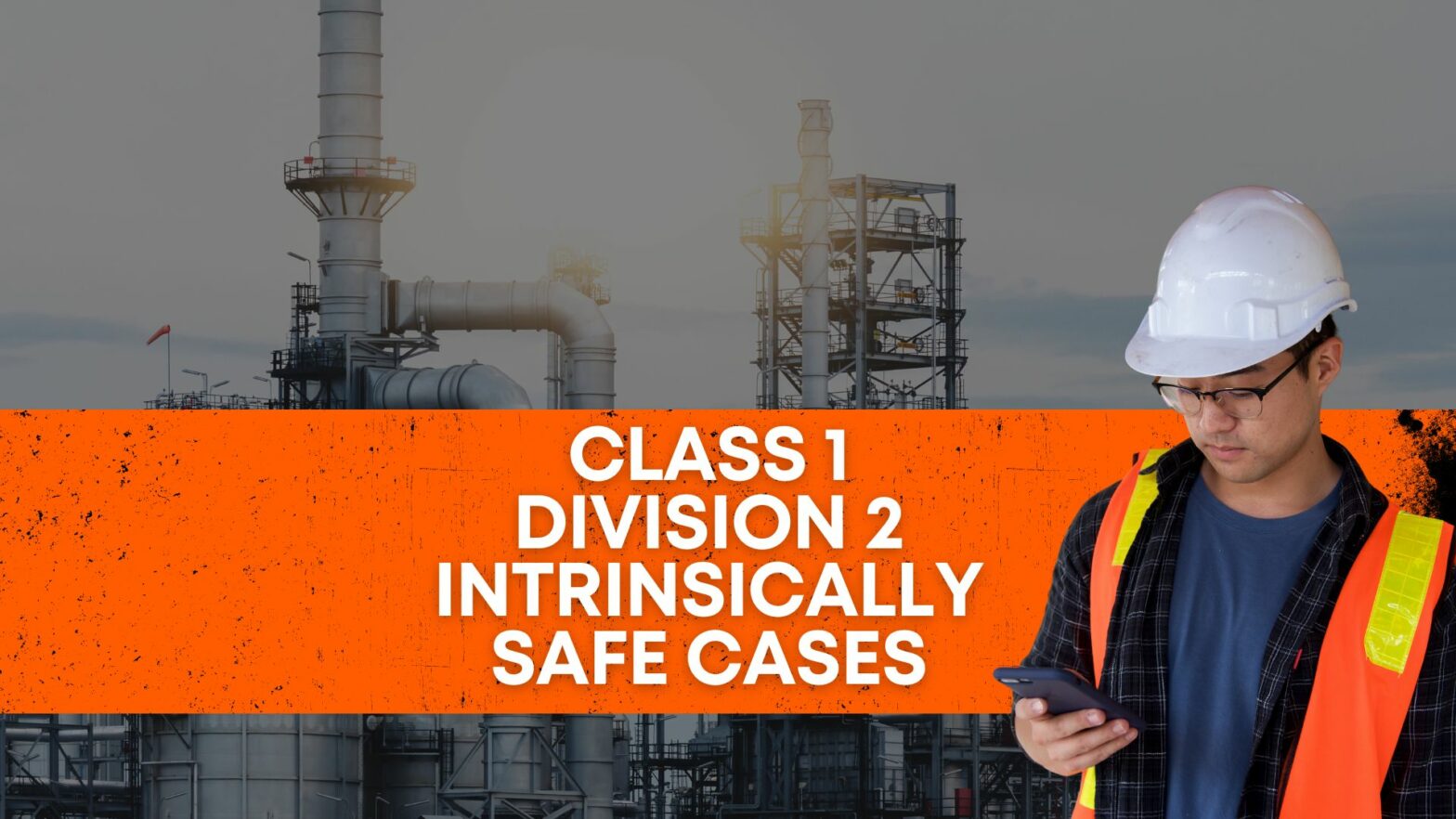
Searching for certified cases for a hazardous routine? We got you! This guide will present the best solutions for Class 1 Division 2 Certified Cases, explain what makes them essential, and help you choose the right one for your needs.
The definition of Class 1 Division 2 classification basically specifies that an area may contain flammable gases, vapors, or liquids, but typically only under abnormal conditions. For those who work in this type of environment daily, using certified equipment isn’t just a recommendation—it’s essential for safety. Below, we’ll explore what to look for in a C1D2 case and highlight some of the best equipment for ensuring your safety and prolonging the usability of your device.

What Makes a Case Rated for Class 1 Division 2?
A common misconception is that any rugged or heavy-duty case is suitable for hazardous areas. This is incorrect and dangerous. A standard rugged case is designed to protect the device from drops and water, but a Class 1 Division 2 case is engineered to protect the environment from the device. The core principle is preventing the electronic device from becoming an ignition source.
This is achieved through several key design features:
- Non-Incendive Design: The case ensures that under normal operating conditions, any spark or thermal effect produced by the device inside cannot ignite a specific flammable gas or vapor in the surrounding atmosphere.
- Sealed Enclosure: The case is tightly sealed to prevent hazardous gases or dust from entering and coming into contact with the device’s electronics.
- Specialized Materials: Materials used in C1D2 cases are often anti-static to prevent the buildup of static electricity, which could discharge and create a dangerous spark.
- Impact and Temperature Resistance: The case must protect the device from impacts that could damage its internal components and create a fault, while also managing heat dissipation to keep the surface temperature below the autoignition point of surrounding substances.
Key Certifications and Standards
When selecting a case for hazardous areas, certification is non-negotiable. It’s the only way to verify that the product has been rigorously tested and meets strict safety standards. The primary certifications to look for are:
- Class 1 Division 2: This is the North American standard (NEC/UL) for areas where flammable gases or vapors are present only during abnormal conditions, such as a container failure or leak.
- ATEX Zone 2: This is the European Union equivalent (Directive 2014/34/EU) to Class 1 Division 2. Equipment rated for Zone 2 is designed for environments where an explosive atmosphere is unlikely to occur in normal operation, and if it does, it will persist for only a short period.
- IECEx: This is an international certification accepted in many countries worldwide. It streamlines the certification process across different national standards. An IECEx certificate for Zone 2 provides a high level of confidence in the product’s safety for similar hazardous environments globally.
Top Use Cases and Industries
Class 1 Division 2 certified cases are critical in numerous industries where safety and productivity are paramount. They allow workers to use standard consumer tablets and phones for data collection, communication, and diagnostics without compromising safety. Key industries include:
- Oil & Gas: From offshore rigs to refineries, workers use tablets for equipment monitoring, maintenance logs, and communication in areas with potential gas leaks.
- Chemical Processing: Plant operators and technicians rely on certified devices for managing processes and accessing safety data sheets in potentially explosive atmospheres.
- Pharmaceuticals: In facilities where flammable solvents are used, certified cases for hazardous locations are essential for maintaining a sterile and safe environment.
- Aviation: During aircraft maintenance and refueling operations, fuel vapors can create hazardous zones where only certified electronics are permitted.
- Manufacturing: Facilities using flammable chemicals or gases in their production processes require Class 1 Division 2 protection for mobile devices.
How to Choose the Right Case
Selecting the correct C1D2 case involves more than just matching the model of your tablet or phone. Consider these factors to ensure you get the right protection:
- Confirm Device Compatibility: Ensure the case is specifically designed for your device model (e.g., iPad Pro 11, iPhone X, Microsoft Surface Go 3). A poor fit can compromise the seal and the safety rating.
- Verify Certifications: Check that the case carries the specific certifications required for your work site (C1D2, ATEX Zone 2, IECEx). This information should be clearly marked on the product.
- Assess Ergonomics and Usability: A safe case should also be practical. Look for features like hand straps, shoulder straps, and easy access to ports and buttons. A non-slip grip is crucial when wearing gloves. For example, the Xciel case for Windows Go 3 includes straps for enhanced handling.
- Evaluate Material and Durability: The case should be made from durable, lightweight, and anti-static materials. It needs to withstand drops, vibrations, and exposure to chemicals without compromising its protective qualities.
Class 1 Division 2 Case for Windows Go 3
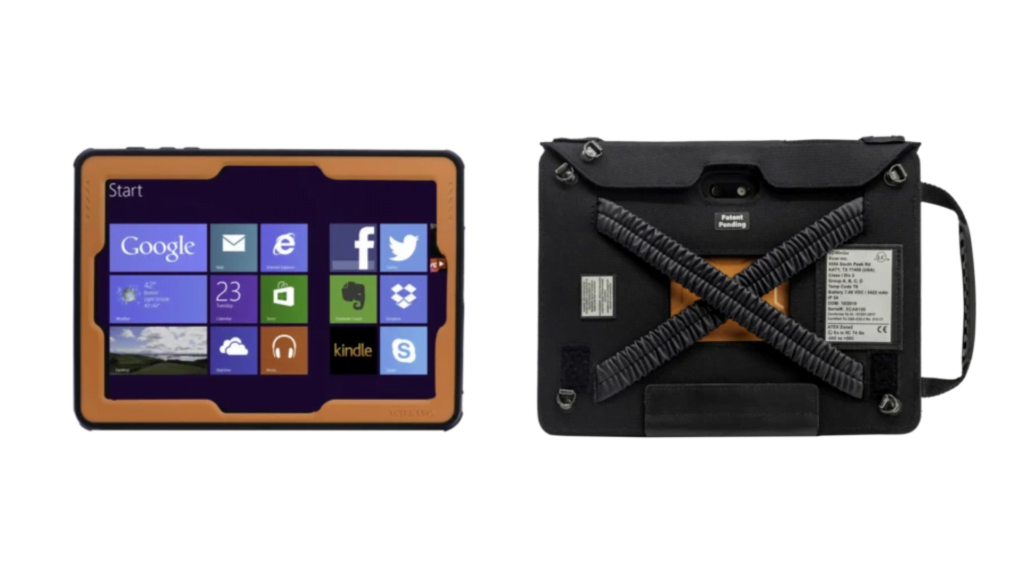
Xciel’s Windows Go 3 case is made of lightweight but sturdy materials, providing a high level of protection for your device. It is strong enough to withstand extreme environments as well as resist impact and abrasion. It features easy-grip handles and shoulder straps, a non-slip X-strap on the back, and an integrated metal D-ring attachment point. Whether you’re looking for protection or comfort and style, this product will exceed your expectations.
Features
- Class 1 Division 2
- Features for handling and safety clipping
- ATEX Zone 2 certified
- Included shoulder strap in delivery
- IECEx certified
- Cutouts that are ideal for your media cables
Class 1 Division 2 Case for iPad Pro 11
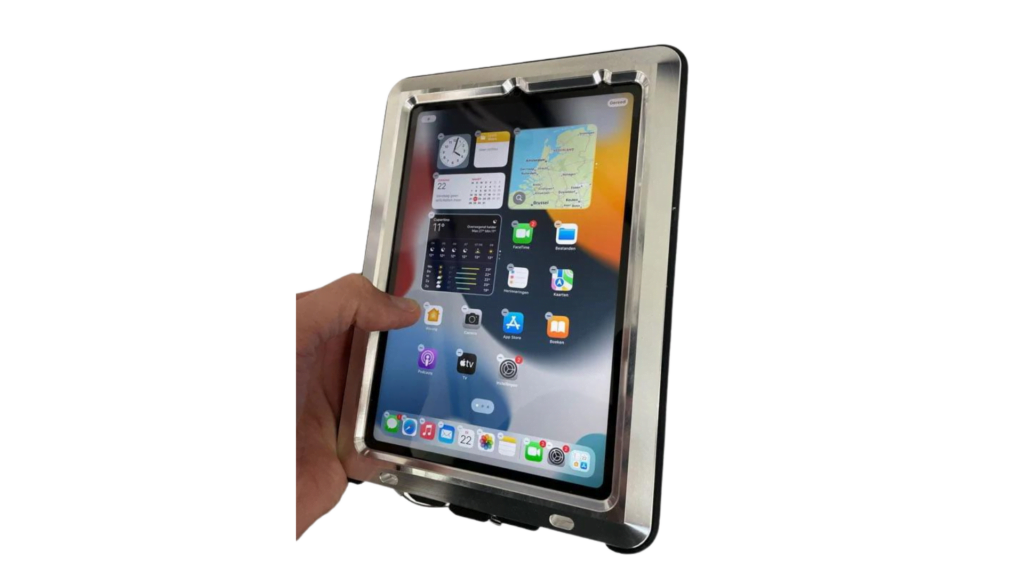
The Atexxo iPad Pro 11 Case meets International Electrotechnical Commission (IEC) and ATEX Zone 2 standards for use in hazardous areas. The sturdy and elegant tablet case is designed to withstand the rigors of the most extreme environments experienced in hazardous area applications while preserving all features of the original iPad Pro 11 tablet.
Features
- Class 1 Division 2
- Face ID unlocking using recognition
- Certified for Hazardous Locations
- Fast and Global Delivery
- ATEX Zone 2
- ATEX LIDAR Sensor for 3-d mapping
- Hydrogen Ready
Class 1 Division 2 Case for iPhone X
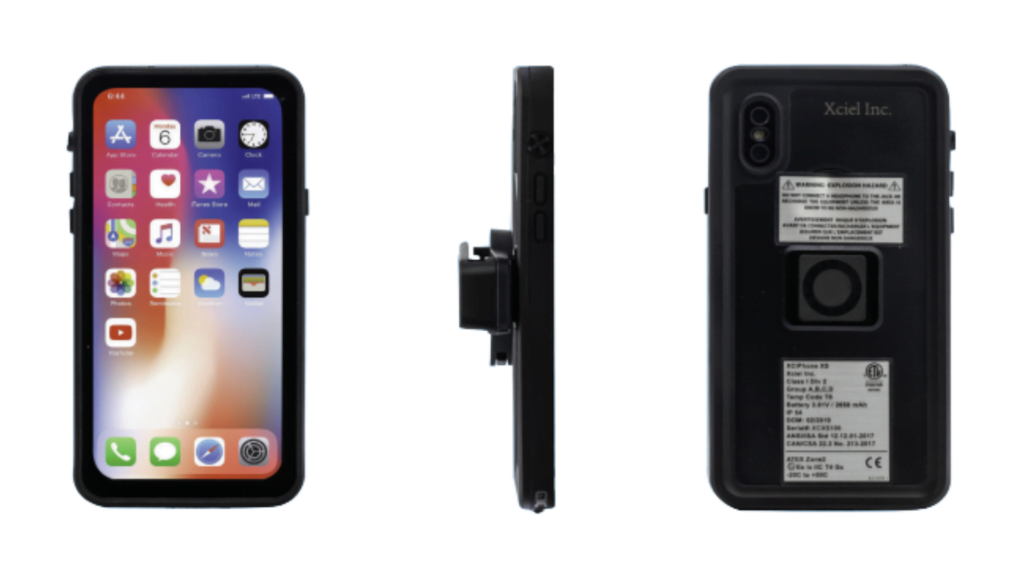
The Class 1 Division 2 Certified iPhone X case is an excellent protection system for your phone in areas with potentially explosive gas. It protects your device from the damage of water, dirt, and dust particles. The case is ultra-rugged although lightweight, simple to use, and easy to install. It has an anti-slip and anti-scratch front and back cover plus precise holes to access your camera and other controls. It comes in a slim design engineered to evenly disperse impact force throughout the case. The case is engineered so that your phone can take all actions in areas where explosive gases are present.
Features
- Class 1 Division 2
- Lightweight
- ATEX Zone 2
- Defends against dust, dirt, and water
- Group A B C D
- Allow access to all controllers, cameras, and ports
- Pocket-friendly size
- Simple to set up, snap on
Frequently Asked Questions
Can I use a regular rugged case in a Class 1 Division 2 area?
No. A regular rugged case protects the device from external damage like drops and water. It does not prevent the device from creating a spark or heat that could ignite flammable gases. Only cases specifically certified as Class 1 Division 2 or ATEX Zone 2 are safe for these environments.
Does a Class 1 Division 2 certified case affect the device’s functionality?
Properly designed cases, like those from Xciel or Atexxo, provide full access to the device’s functionality. This includes the touchscreen, cameras, buttons, and charging ports (often via a sealed access point). The goal is to enhance safety without hindering productivity.
What is the difference between a Class 1 Division 1 and a Division 2 case?
The main difference is the level of risk in the environment. Division 1 areas have explosive hazards present continuously or for long periods under normal operating conditions. Division 2 areas only have these hazards present under abnormal conditions (e.g., a leak). Equipment for Div 1 is built to a much stricter standard as the risk of ignition is higher.
How do I know if a case is genuinely certified?
Genuine certified products for hazardous locations will have certification marks (e.g., UL, CSA, ATEX, IECEx) permanently affixed to the case itself. You should also be able to request a copy of the compliance certificate from the manufacturer or distributor.
The Intrinsically Safe Store
All of the cases above are available in the Intrinsically Safe Store catalog. We work with the top suppliers to provide you with certified solutions to ensure your hazardous area operations are safe and efficient. So, count on us to find all the certified and explosion-proof equipment you need to improve your work routine. Need extra help finding the right certified case for your device? Our team of hazardous-area specialists is ready to help. Call us at 832 862 3965 to discuss your requirements.
