

Intrinsically Safe Knowledge Base
Aerial Surveillance: Drone-Mounted, Safe Cameras
Introduction
As technology continues to evolve, the potential for innovation in various industries grows exponentially. One such area of rapid development is the use of drone-mounted intrinsically safe cameras for aerial surveillance. This article, brought to you by Intrinsically Safe Store, will delve into the potential of this technology, its applications, and the benefits it offers. We invite you to explore our website to learn more about intrinsically safe devices and their applications.
Understanding Intrinsically Safe Cameras
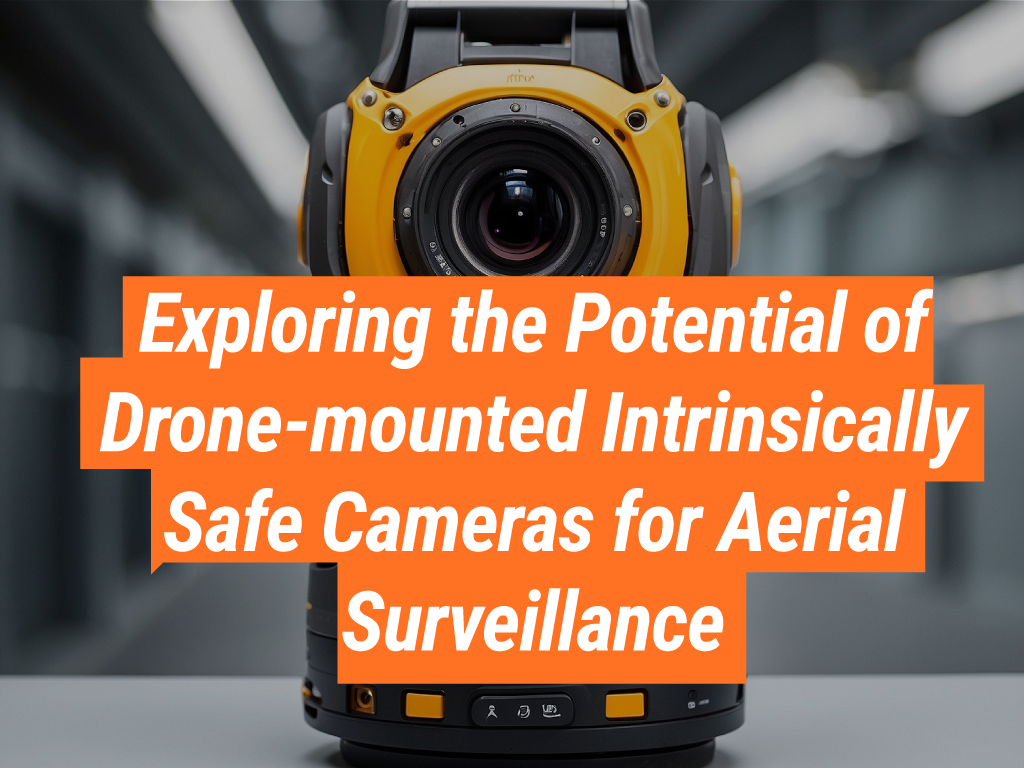
Designers create intrinsically safe cameras to operate safely in hazardous environments where traditional cameras may pose a risk. Engineers design these cameras to prevent the ignition of flammable gases or dust, making them perfect for use in industries such as oil and gas, chemical manufacturing, and mining.
The Rise of Drone-mounted Cameras
With the advent of drone technology, the use of intrinsically safe cameras has been taken to new heights. Drones equipped with these cameras can access areas that are difficult or dangerous for humans to reach, providing valuable data and insights while significantly reducing risk to personnel.
Applications of Drone-mounted Intrinsically Safe Cameras
Drone-mounted intrinsically safe cameras have a wide range of applications, including:
- Inspection of infrastructure: Drones can inspect bridges, pipelines, and other infrastructure for damage or wear, reducing the need for human inspectors to work in potentially dangerous conditions.
- Monitoring of hazardous environments: In industries such as mining or oil and gas, drones can monitor conditions and detect leaks or other issues early, preventing accidents and protecting workers.
- Surveillance and security: Drones can provide aerial surveillance of large areas, making them useful for security purposes in industries such as shipping and logistics.
Key Features and Benefits of Drone-Mounted Intrinsically Safe Cameras
These advanced systems are more than just cameras on drones; they are engineered with specific features to perform reliably and safely in volatile atmospheres. Key features often include:
- High-Resolution Imaging: Capturing detailed visual data is crucial for inspection. Many IS cameras offer high-definition video and high-megapixel stills, allowing for precise identification of cracks, corrosion, or other structural issues from a safe distance.
- Thermal and Multispectral Sensors: Beyond visual inspection, many drone-mounted systems include thermal imaging to detect temperature anomalies, which can indicate gas leaks or overheating equipment. Multispectral sensors can provide even more data for environmental monitoring.
- Robust, Certified Construction: The entire assembly, including the camera housing, is built to meet strict standards like ATEX or IECEx. This ensures the device is durable enough for industrial environments and will not create a spark.
- Real-time Data Transmission: Secure, long-range data links allow operators on the ground to view a live feed, enabling immediate decision-making without entering the hazardous area.
- Operational Safety Considerations: It is critical to understand that while the camera is certified, the drone itself is a potential ignition source. A complete system risk assessment is mandatory. In many cases, this involves operating the drone from a non-hazardous area to inspect the hazardous zone remotely.
These features translate directly into significant operational benefits:
- Safety: Drones can access hazardous areas without putting human lives at risk.
- Efficiency: Drones can cover large areas quickly, making them more efficient than human inspectors.
- Cost-effectiveness: While the initial investment in drone technology can be high, the long-term savings in terms of reduced labor costs and prevention of accidents can make it a cost-effective solution.
Case Study: Drone Surveillance in the Oil and Gas Industry
Consider a hypothetical scenario in the oil and gas industry that illustrates the potential of drone-mounted intrinsically safe cameras. A company used drones to inspect offshore oil rigs, reducing the need for human inspectors to work in dangerous conditions. The drones were able to detect leaks and other issues early, preventing accidents and saving the company significant costs in potential damages and lost production.
Frequently Asked Questions
What makes a drone-mounted camera “intrinsically safe”?
An intrinsically safe camera is designed with circuitry that limits electrical and thermal energy to a level below what is required to ignite a specific hazardous atmospheric mixture. This involves low-power components and protective engineering to prevent sparks, ensuring it can operate safely in environments with flammable gases, vapors, or combustible dust.
Are there specific certifications I should look for?
Yes, certifications are crucial. Look for ratings appropriate for your specific hazardous location, such as ATEX for Europe, IECEx for international standards, and Class/Division systems (e.g., Class I, Division 1) for North America. The certification ensures the device has been rigorously tested for safety.
Can any drone carry an intrinsically safe camera?
Not necessarily. The drone itself must also be suitable for the operational environment. While the camera is certified for the hazardous zone, the drone’s motors and batteries can also be ignition sources. Therefore, a complete risk assessment is required, and often, specialized drones are used or operational procedures are put in place to keep the drone outside the most dangerous zones while the camera inspects.
DISCLAIMER: This article is for informational purposes only. The selection and use of equipment in hazardous areas require a thorough risk assessment by qualified safety professionals. Always consult site-specific requirements and relevant standards (e.g., IEC 60079, NEC) before deployment.
Conclusion
The potential of drone-mounted intrinsically safe cameras for aerial surveillance is vast. These devices offer a safer, more efficient, and cost-effective solution for monitoring and inspecting hazardous environments. As technology continues to evolve, we can expect to see even more innovative applications for these devices. To learn more and equip your team, browse our full range of certified cameras at the Intrinsically Safe Store or talk to a hazardous area specialist today for a personalized quote.