





















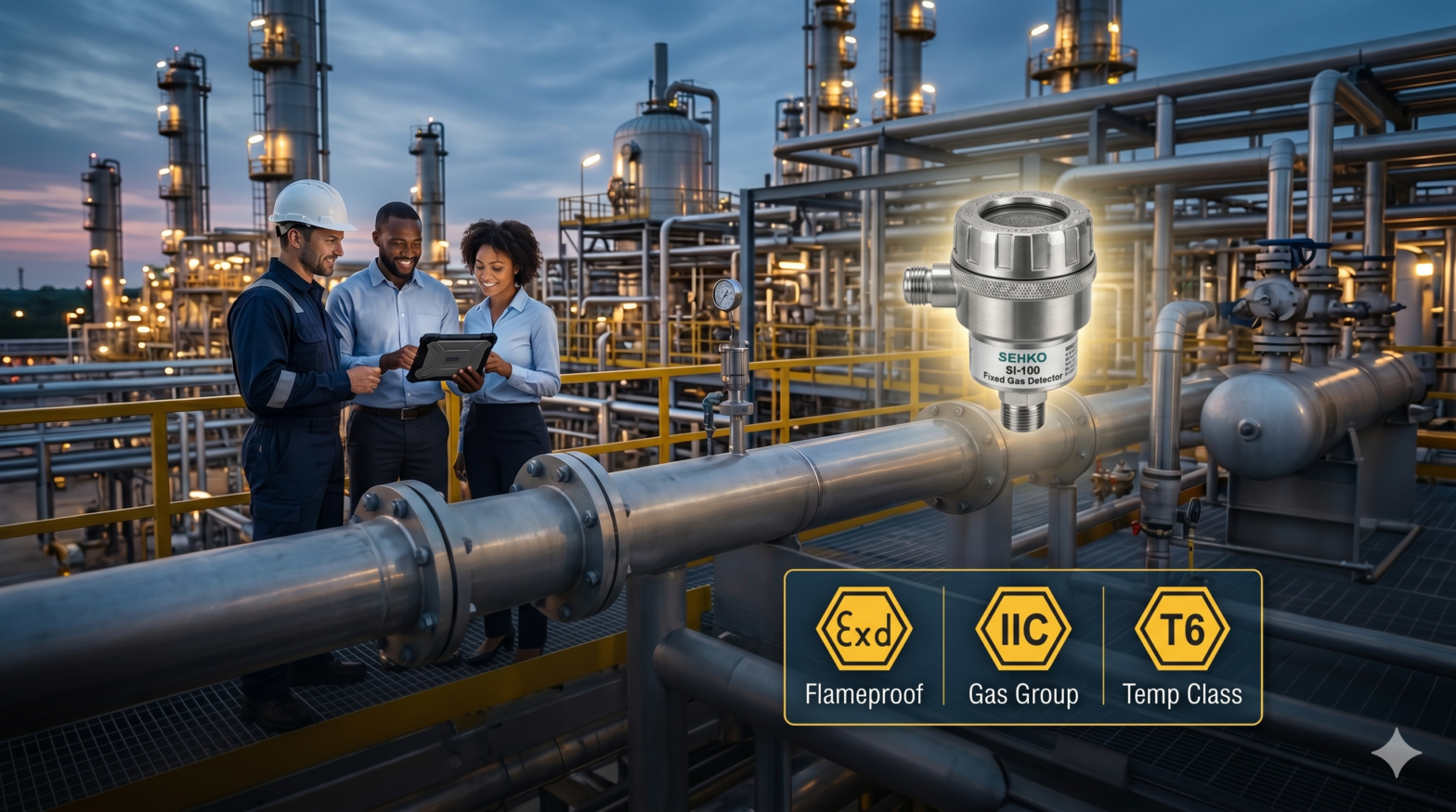
In the high-stakes world of industrial operations, where the invisible threat of methane gas poses a constant and catastrophic risk, there is no room for ambiguity or compromise. The selection of safety equipment, particularly the methane detection sensors that serve as your first line of defense, is not a simple procurement task—it is a foundational pillar of your entire operational safety strategy. This guide is designed to be your definitive resource, created to demystify the complexities of the IECEx system, empower you to decode its technical language, and provide a clear, methodical blueprint for selecting the precise methane sensor that will not only meet compliance but will serve as a vigilant, unwavering guardian for your facility.
Master Global Safety Standards
Ensuring your facility meets international compliance is complex. Read our expert breakdown on mastering intrinsically safe global safety standards to stay protected.
Read the Compliance GuideNavigating the Essentials: A Deep Dive into IECEx-Certified Methane Sensors
When operating in environments where the unseen threat of methane gas is a constant reality, the margin for error is non-existent. The selection of safety equipment, particularly methane detection sensors, transcends a simple procurement process; it becomes a critical pillar of your entire operational safety strategy. This is where the significance of IECEx certification comes into sharp focus. Choosing an IECEx-certified sensor is not merely about ticking a compliance box; it is a deliberate and informed decision to prioritise the highest standards of safety in explosive atmospheres.
- Global Framework: The IECEx system is a global framework designed to ensure that equipment and systems intended for use in such hazardous locations are manufactured and tested to the highest, most uniform safety standards.
- Rigorous Testing: When a methane sensor bears the IECEx mark, it signifies that it has undergone a gruelling and exhaustive series of tests by an approved IECEx Certification Body (ExCB).
- Zone Classification: The IECEx system categorises these zones precisely: Zone 0, Zone 1, and Zone 2. The methane sensor you choose must have an Equipment Protection Level (EPL) that is appropriate for the zone in which it will be installed.
Key Considerations for Selection
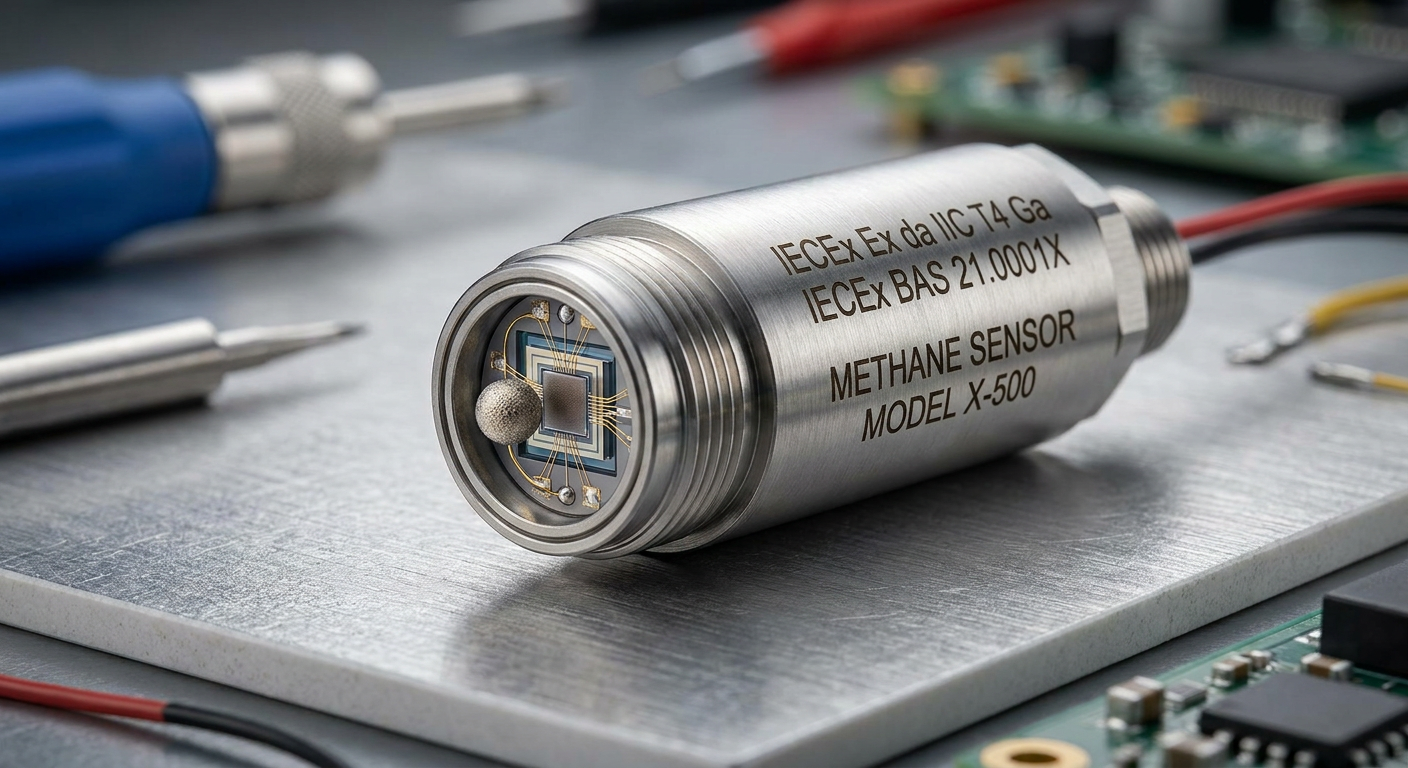
Beyond the EPL, the true depth of selecting the right sensor lies in deciphering the complex string of characters that make up the IECEx marking. This code is a condensed report on the sensor’s safety capabilities.
- Protection Concept: For methane sensors, two of the most common concepts are Intrinsic Safety (‘Ex i’) and Flameproof Enclosure (‘Ex d’).
- Gas Groups: Methane belongs to Gas Group IIA. However, it is often wise to select a sensor certified for a more volatile group, such as IIC.
- Temperature Class: The Temperature Class, or ‘T-rating’ (e.g., T1 to T6), indicates the maximum surface temperature the equipment can reach during operation.

The Ultimate Selection Of IECEx Methane Sensors For Maximum Industrial Safety
| Product Name | Category | Price | Product Link |
|---|---|---|---|
| SENKO SI-100 Fixed Gas Detector | Fixed Gas Detector | $748.44 | View Details |
| SENKO SI-100C Fixed Gas Detector | Fixed Gas Detector | $489.72 | View Details |
| SENKO SGT-P Replaceable Single-Gas Detector | Portable Gas Detector | $188.02 | View Details |
Explore IECEx-Certified Sensors
Browse our full selection of high-precision, intrinsically safe sensors designed for reliable methane detection in hazardous industrial zones.
Browse Sensor CollectionRelated Resources
FAQs
What exactly is IECEx certification, and why is it so fundamentally important for methane sensors?
IECEx is a global system to ensure equipment for explosive atmospheres is safe. For methane sensors, it’s crucial because methane is highly flammable, and the certification ensures the sensor won’t be an ignition source.
How do I decipher the complex IECEx markings on a methane sensor?
The markings are a code describing the sensor’s safety features. For example, ‘Ex db IIC T4 Gb’ tells you the protection methods, gas group, temperature class, and equipment protection level.
What are the main types of methane sensing technologies, and how does IECEx certification apply to them?
The main types are Catalytic Bead and Non-Dispersive Infrared (NDIR). IECEx certification ensures that both technologies are safe for use in hazardous areas, but they have different performance characteristics.
Does IECEx certification affect the installation, calibration, and maintenance requirements for methane sensors?
Yes. The certification is contingent on correct installation, maintenance, and calibration. Improper installation or maintenance can invalidate the certification.
Can I use a sensor with a higher gas group rating (e.g., IIC) for a lower gas group (e.g., IIA for methane)?
Yes, this is a common and recommended practice as it provides a higher safety margin.
Conclusion
The selection of the right IECEx-certified methane sensor is a cornerstone of a proactive safety culture. By embracing a methodical and informed approach, you ensure that the silent guardian you install is not just compliant, but is the absolute best choice to protect your people, your assets, and your future. Ready to upgrade your facility’s safety?
