

Intrinsically Safe Knowledge Base
Best Practices: Selecting Intrinsically Safe Phone Cases
Welcome to the Intrinsically Safe Store, your one-stop-shop for all your safety equipment needs. We are dedicated to providing you with the best and most reliable safety products. Today, we will be discussing the best practices for selecting intrinsically safe phone cases for your operations. Visit our website to explore our wide range of products.
Understanding Intrinsically Safe Phone Cases
Designers create intrinsically safe phone cases to prevent the ignition of flammable gases or dust in hazardous environments. They are essential for industries such as oil and gas, chemical, mining, and others where explosive atmospheres may exist.
Why Choose Intrinsically Safe Phone Cases?
These phone cases are not just about protecting your phone from physical damage. They are about ensuring safety in potentially explosive environments. A regular phone can generate enough heat or spark to ignite flammable substances. An intrinsically safe phone case is designed to limit the energy, electrical and thermal, available for ignition.
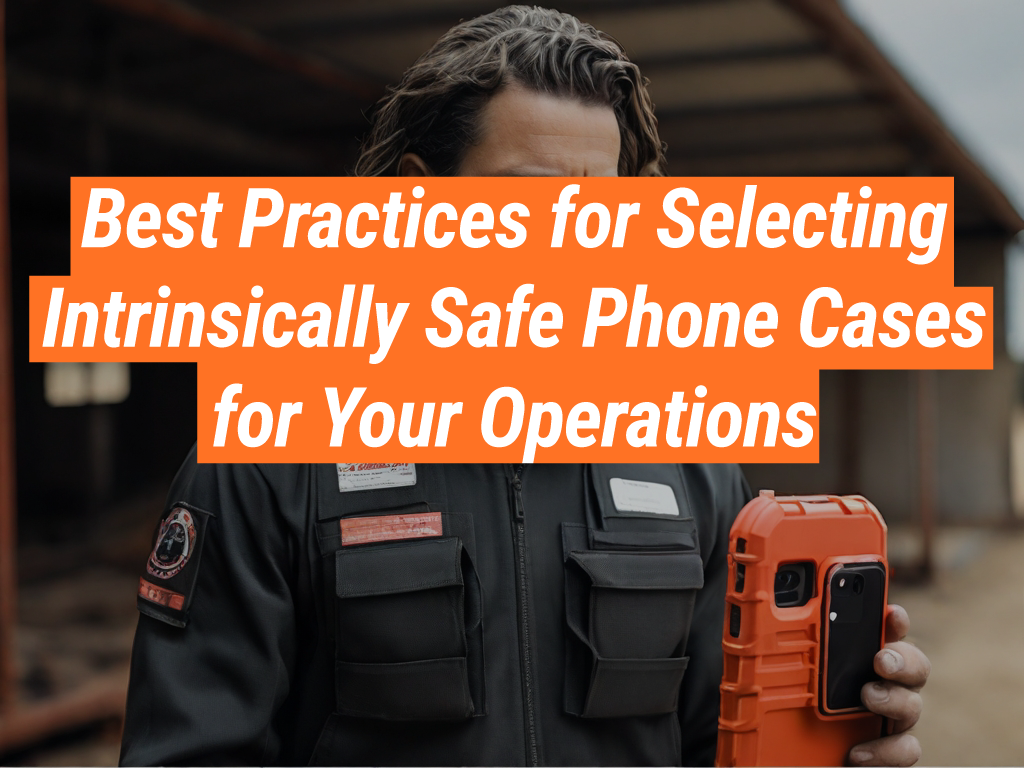
Best Practices for Selecting Intrinsically Safe Phone Cases
1. Understand Your Environment
Before selecting a phone case, it’s crucial to understand the nature of your work environment. Is it prone to gas or dust explosions? What type of hazardous materials are present? This information will guide you in choosing the right case.
2. Check Certification
Ensure the phone case is certified as intrinsically safe by a recognized testing body. This certification guarantees that the case has undergone rigorous testing and meets safety standards.
3. Consider the Material
The material of the case should be robust and able to withstand harsh conditions. It should also be resistant to the specific chemicals or substances present in your work environment.
4. Evaluate the Design
The design of the case should allow easy access to the phone’s functions without compromising safety. It should also fit the phone model perfectly.
Illustrating the Risk: The Importance of Intrinsically Safe Phone Cases
To illustrate the importance of intrinsically safe phone cases, consider a hypothetical scenario: a worker uses a regular, uncertified phone in a gas-filled environment. An internal spark from the device could be sufficient to ignite the atmosphere, leading to a significant explosion. This illustrates how certified equipment, designed to prevent such sparks, is critical for avoiding preventable incidents.
What’s New in Intrinsically Safe Phone Case Technology?
The landscape for hazardous area technology is constantly evolving. While core safety principles of standards like ATEX, IECEx, and North American Class/Division remain consistent, the devices they protect are changing faster than ever. Phone manufacturers release new models annually, and intrinsically safe case manufacturers must adapt quickly. Recent trends include:
- Support for Newer Models: Cases are now readily available for the latest flagship phones, including recent iPhone, Samsung Galaxy, and Google Pixel models. This ensures that teams can use modern, powerful devices without compromising safety certifications.
- Evolving Standards: While the core directives haven’t undergone massive overhauls, the interpretation and application of standards like IEC 60079 continue to be refined. Certified case manufacturers must stay current to ensure their products meet the latest compliance requirements for global markets.
- Improved Materials and Ergonomics: Modern cases use advanced anti-static polymers that offer robust protection without adding excessive bulk or weight. Designs have also improved, providing better grip and easier access to ports and buttons while maintaining a perfect seal.
Updated Comparison of Current Options
When choosing a certified phone case, the specific hazardous environment is the most critical factor. Cases are certified according to specific regional standards, commonly for Zone 1 or Zone 2 (under ATEX/IECEx standards) or for Class I, Division 1 or Division 2 (under the North American NEC system). Here’s a general comparison of what to expect:
| Feature | Zone 1 / Class I, Div 1 Cases | Zone 2 / Class I, Div 2 Cases |
|---|---|---|
| Protection Level | Designed for areas where explosive atmospheres are likely to occur in normal operation. Offers the highest level of protection. | Designed for areas where explosive atmospheres are not likely to occur in normal operation, and if they do, will persist for only a short period. |
| Design & Construction | Typically more robust, fully sealed, and may permanently enclose the device. The focus is on preventing any possible ignition source under fault conditions. | Often more flexible, sometimes offering a balance between rugged protection and ease of use. May allow for easier installation and removal of the phone. |
| Common Supported Devices | Apple iPhone, iPad, Samsung Galaxy series. Examples include cases from brands like Xciel and Ecom. | Wider range of devices, including Apple iPhone, Samsung Galaxy, and others. The popular Xciel cases for iPhones are a prime example. |
| Typical Industries | Oil refineries, chemical processing plants, underground mining. | Pharmaceutical manufacturing, food processing facilities with dust hazards, wastewater treatment plants. |
Regardless of the rating, it is essential to select a case that is specifically certified for the device you intend to use. Using a case with an unapproved phone model invalidates the intrinsic safety certification. For a detailed list of options, you can explore our full range of certified intrinsically safe cases.
Frequently Asked Questions
Can I use any phone with an intrinsically safe case to make it safe?
No. An intrinsically safe certification applies to the combination of the specific phone model and the case. You must use the exact phone model the case was designed and certified for. Using a different phone, even if it fits, will void the safety certification.
What is the difference between a Zone 1 and a Zone 2 case?
The main difference is the level of risk in the environment they are designed for. Zone 1 cases are for hazardous areas where an explosive atmosphere is likely to occur during normal operations. Zone 2 cases are for areas where such an atmosphere is unlikely, and if it does occur, it will only be for a short time. Zone 1 offers a higher level of protection.
Do intrinsically safe phone cases affect phone performance?
Certified cases are designed to allow full functionality of the phone, including touchscreen, cameras, and connectivity (Wi-Fi, Cellular, Bluetooth). However, the robust construction means they are bulkier than standard cases, and some ports may be sealed, requiring specific certified accessories for charging or data transfer.
Selecting the Right Intrinsically Safe Phone Case
Selecting the right intrinsically safe phone case is crucial for safety in hazardous environments. A qualified professional assesses several critical factors when selecting certified equipment. These include the site’s area classification (e.g., Zone or Division), the specific gases or dusts present (Gas/Dust Group), and the required temperature class (T-rating), all of which are defined by standards like ATEX, IECEx, and the NEC. Remember, safety should never be compromised. Visit the Intrinsically Safe Store today to explore our range of certified intrinsically safe phone cases.
For more information or assistance in selecting the right intrinsically safe phone case for your operations, don’t hesitate to talk to a hazardous-area specialist. We are here to help you ensure safety in your operations.