

Intrinsically Safe Knowledge Base
Intrinsically Safe Cameras: Risk Assessment Maximized
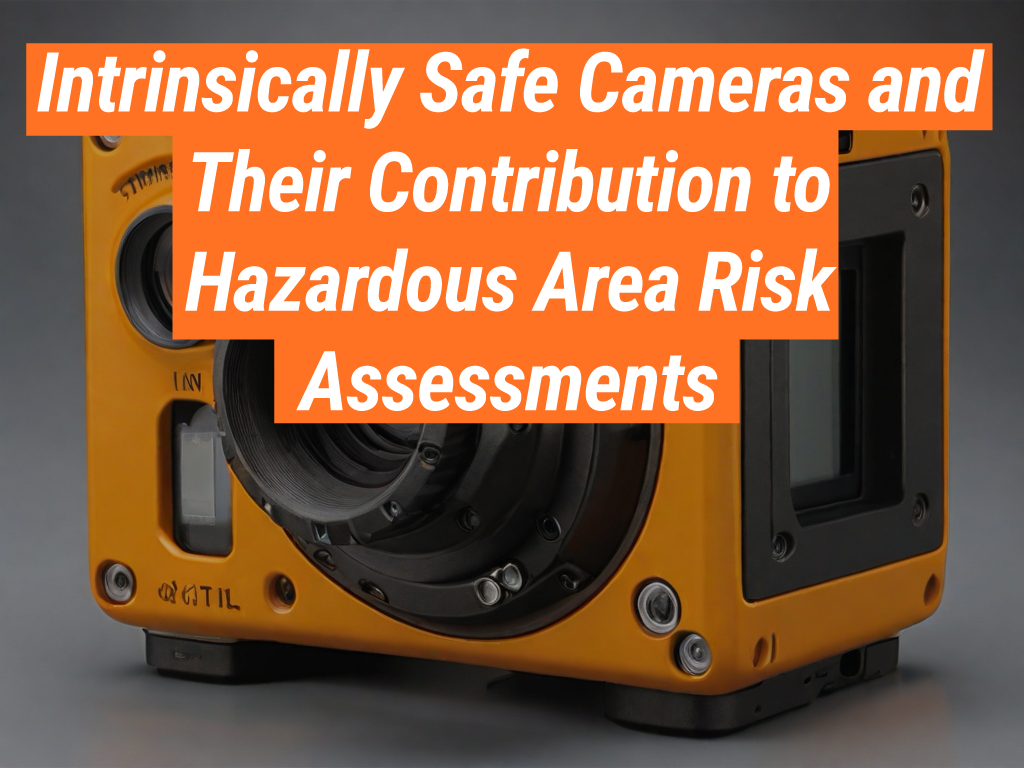
When it comes to hazardous area risk assessments, safety is paramount. This is where Intrinsically safe cameras come into play. These specialized devices, available from leading suppliers like Intrinsically Safe Store, are designed to operate safely in potentially explosive environments. They are a crucial tool in assessing and mitigating risks in hazardous areas. Let’s delve deeper into the world of intrinsically safe cameras and their significant contributions to hazardous area risk assessments.
Understanding Intrinsically Safe Cameras
Intrinsically safe cameras are specifically engineered to prevent ignition of flammable gases, dust, or vapors present in the surrounding environment. They achieve this by limiting the electrical and thermal energy available for ignition. These cameras are certified to be safe for use in hazardous areas, making them an essential tool for industries such as oil and gas, chemical manufacturing, and mining. This certification ensures they comply with specific hazardous location standards (such as ATEX, IECEx, or NEC) for the Zones or Divisions for which they are rated.
The Role of Intrinsically Safe Cameras in Risk Assessments
Intrinsically safe cameras play a pivotal role in hazardous area risk assessments. Here’s how:
- Visual Documentation: These cameras provide visual documentation of the hazardous area, which is crucial for risk assessment. They capture high-quality images and videos that can be analyzed to identify potential risks.
- Remote Inspection: With these cameras, inspections can be conducted remotely, reducing the exposure of personnel to hazardous environments.
- Real-time Monitoring: Some intrinsically safe cameras offer real-time monitoring capabilities, allowing for immediate response to any changes in the environment.
A Hypothetical Example: Intrinsically Safe Cameras in Action
To illustrate the importance of intrinsically safe cameras, consider a common scenario from the oil and gas industry. During a routine inspection of a gas processing plant, an intrinsically safe camera could be used to visually document the condition of the facility. The camera might detect a minor gas leak that was not noticeable during a manual inspection. Thanks to such early detection, the plant would be able to address the issue promptly, preventing a potential disaster.
Choosing the Right Intrinsically Safe Camera
When selecting an intrinsically safe camera, consider factors such as image quality, battery life, and certification standards. Intrinsically Safe Store offers a wide range of cameras that meet these criteria, ensuring you have the right tool for your risk assessment needs.
What Changed in Intrinsic Safety Standards and Camera Technology
The landscape of hazardous area equipment is constantly evolving. Recent years have seen significant advancements in both technology and safety standards that impact intrinsically safe cameras. Standards like ATEX and IECEx are periodically updated to reflect new safety research and technological capabilities. Modern cameras now feature higher resolution sensors for clearer detail in inspections, improved low-light performance, and longer-lasting, more efficient batteries. Furthermore, enhanced connectivity options such as Wi-Fi and Bluetooth allow for instant data transfer from the field to a central office, enabling faster decision-making and collaboration with remote experts. This integration streamlines the entire risk assessment workflow, from image capture to report generation.
Updated Comparison of Current Options
Selecting the ideal camera requires comparing key features based on your specific operational environment. While individual models vary, most modern intrinsically safe cameras can be evaluated against a common set of criteria. The ability to pair these devices with other certified equipment, such as intrinsically safe tablets, can further extend their utility for comprehensive data management.
| Feature | Considerations for Risk Assessment |
|---|---|
| Certification | Ensure the camera is certified for the specific hazardous Zone or Division (e.g., ATEX Zone 1/21, Class I Division 1). This is non-negotiable. |
| Image/Video Resolution | Higher resolution (e.g., 12MP+, 4K video) allows for more detailed analysis of potential faults, corrosion, or leaks. |
| Connectivity | Wi-Fi or Bluetooth enables immediate sharing of visual data for real-time assessment and collaboration with off-site experts. |
| Special Features | Consider options like thermal imaging to detect temperature anomalies, optical zoom for inspecting distant components, and robust construction (IP rating) for durability. |
Frequently Asked Questions
What is the main difference between an intrinsically safe and an explosion-proof camera?
The core difference lies in their safety principle. An intrinsically safe camera is designed to be incapable of producing a spark or thermal effect that could ignite a flammable atmosphere because its electrical energy is strictly limited. An explosion-proof (Ex d) camera is built into a robust enclosure designed to contain an internal explosion and prevent it from propagating to the outside environment.
Can I use any intrinsically safe camera in any hazardous zone?
No, this is a critical safety consideration. The camera must have a specific certification that matches the hazardous zone classification of your work area. For example, a camera certified for Zone 2 cannot be used in a Zone 1 or Zone 0 environment. Always verify the equipment’s rating against the site’s requirements.
How often do intrinsically safe cameras need to be inspected?
Regular inspection is vital. While there is no universal standard, you should always follow the manufacturer’s recommendations for maintenance and inspection intervals. Additionally, your company’s internal safety protocols may require more frequent checks, especially for visible damage to the enclosure, seals, or labels.
Enhancing Hazardous Area Risk Assessments with Intrinsically Safe Cameras
Intrinsically safe cameras are an invaluable tool in hazardous area risk assessments. They provide visual documentation, enable remote inspections, and allow for real-time monitoring, significantly enhancing safety in potentially explosive environments. As this example demonstrates, these cameras can detect risks that may otherwise go unnoticed, preventing potential disasters. When choosing an intrinsically safe camera, consider the range of high-quality options available from the Intrinsically Safe Store.
To find the right certified camera for your specific risk assessment needs, talk to a hazardous-area specialist today.