

Intrinsically Safe Knowledge Base
Explosion-Proof Fan Installation: Safe and Reliable Process
Introduction to Explosion-Proof Fan Installation
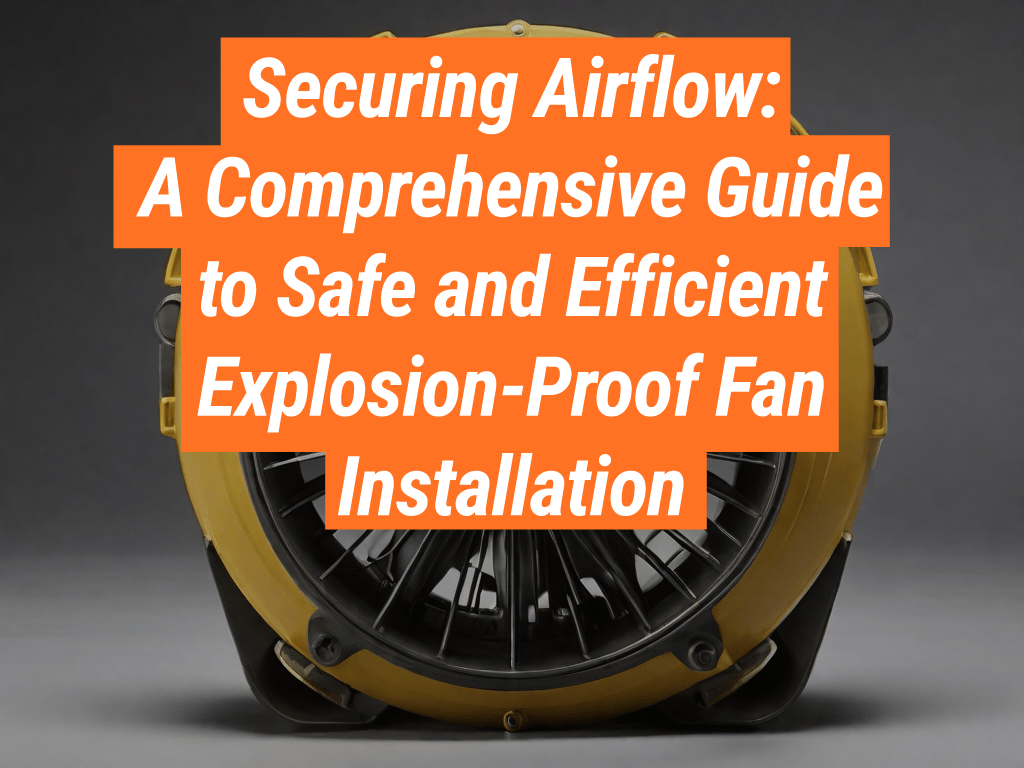
Explosion-Proof fan installation is crucial in the landscape of industrial safety, where securing a safe environment is paramount. Accordingly, installing explosion-proof fans stands as a crucial step toward achieving this essential goal. This guide, crafted with confidence and a focus on meticulous planning and execution, is designed to lead you through the vital steps for installing explosion-proof fans both safely and reliably. To embark on this journey towards enhancing workplace safety, we encourage you to explore a wide range of explosion-proof fans that meet the highest safety standards by visiting Intrinsically Safe Store.
Understanding Explosion-Proof Fans
First and foremost, gaining a clear understanding of what explosion-proof fans are and their critical importance is essential before we dive into the installation process. These fans are specifically designed to prevent themselves from becoming an ignition source in hazardous environments where flammable gases, vapors, or dust may be present.
Key Features & Benefits of Explosion-Proof Fans
Explosion-proof fans are engineered with specific design characteristics that distinguish them from standard industrial fans. These features are not optional add-ons; they are integral to their function of providing safe ventilation in volatile atmospheres. Understanding these features and their associated benefits is key to appreciating their role in workplace safety.
Core Features
- Spark-Resistant Construction: Components like fan blades and housings are often made from non-ferrous metals such as aluminum or specialized composites to prevent mechanical sparks during operation.
- Sealed Motor Enclosures: Motors are housed in tightly sealed, rugged enclosures that are designed to contain any internal electrical arcs or explosions, preventing them from igniting external flammable gases or dust.
- Durable Housing: The fan’s body is built to withstand the pressure and heat from an internal ignition event without rupturing, ensuring the containment of the explosion.
- Certified Components: All electrical components, including wiring, switches, and capacitors, are certified for use in the specified hazardous location classification (e.g., Class I, Division 1).
Primary Benefits
- Enhanced Safety: The most significant benefit is the mitigation of explosion risks, protecting personnel from injury and facilities from catastrophic damage.
- Regulatory Compliance: Installing certified explosion-proof fans ensures compliance with strict national and international safety standards, such as those from NEC, ATEX, and IECEx, avoiding hefty fines and legal issues.
- Operational Reliability: Built for harsh conditions, these fans are more durable and reliable than standard models, ensuring consistent performance and reducing downtime for maintenance.
- Asset Protection: By preventing explosions, these fans protect valuable equipment, infrastructure, and inventory from destruction, ensuring business continuity.
Key Steps for Installation
1. Conduct a Site Assessment
Initially, begin by conducting a thorough site assessment. Identifying the specific hazards and determining the optimal location for your explosion-proof fan is crucial. Ensure the area not only offers adequate ventilation but also remains accessible for maintenance and inspection, thereby laying a solid foundation for the subsequent steps.
2. Select the Right Fan
Following that, selecting the right explosion-proof fan becomes the next critical step. It’s imperative to consider the type of hazardous material present, the volume of air required to be circulated, and the temperature conditions of the environment. Opt for fans with certifications that align with your industry’s safety standards, ensuring a match between your needs and the fan’s capabilities.
3. Handle Electrical Connections Carefully
Moreover, the careful handling of electrical connections emerges as a pivotal part of the installation process. All wiring and components must adhere to explosion-proof standards. Collaborating with a certified electrician, who brings experience in hazardous locations, ensures that all electrical connections are not just safe but secure.
4. Mount the Fan Securely
Additionally, securely mounting the fan is vital to prevent any movement that could potentially lead to wear or damage. Utilize mounting brackets and hardware specifically designed for explosion-proof fans, capable of withstanding the environmental conditions of your workspace.
5. Test and Inspect
After installation, a qualified person must perform a detailed inspection. This includes verifying all electrical connections and conduit seals are compliant with hazardous area wiring codes (e.g., NEC Article 500), checking for proper grounding, ensuring blade clearance within the housing to prevent mechanical sparking, and confirming the fan operates without undue vibration before placing it into service. As a result, make it a point to schedule regular inspections to maintain and uphold safety standards.
6. Maintain Regularly
Finally, regular maintenance stands as the key to ensuring the longevity and reliability of your fan. Establishing a routine maintenance schedule, based on the manufacturer’s recommendations and tailored to the specific needs of your operational environment, is essential.
Frequently Asked Questions (FAQs)
What makes a fan “explosion-proof”?
An explosion-proof fan is designed to contain an internal explosion without allowing it to ignite the surrounding hazardous atmosphere. This is achieved through specific construction features like non-sparking materials, sealed motor enclosures, and robust housing that can withstand the pressure of an internal blast.
Can I use a standard industrial fan in a Class I, Division 2 area?
No. Only equipment specifically rated and certified for the hazardous classification of an area should be used. A standard fan can create sparks from its motor or moving parts, which could be an ignition source for flammable gases or vapors present in a Class I, Division 2 location.
How often should explosion-proof fans be maintained?
Maintenance frequency depends on the manufacturer’s recommendations and the operating environment. However, a general best practice includes monthly visual inspections for damage or debris and a more thorough annual inspection of bearings, motor, and electrical connections by a qualified technician.
Why are fans classified as Explosion-Proof and not Intrinsically Safe?
While both are for hazardous areas, they use different protection methods. Explosion-proof equipment is built to contain an explosion. Intrinsically safe equipment is designed to operate with such low electrical and thermal energy that it cannot generate a spark or heat capable of causing an ignition in the first place. The term “intrinsically safe fan” is less common; “explosion-proof” is the standard for this type of equipment.
In conclusion, explosion-proof fan installation is a critical step in ensuring workplace safety within hazardous environments. By meticulously following these key steps, you will not only achieve a safe and reliable installation but also take a significant step towards compliance and protection of workers and operational continuity. Take this journey with confidence and aim to transform your industrial setting into a paragon of safety and efficiency. For personalized advice and to get a quote on the right fan for your specific hazardous location, do not hesitate to talk to a hazardous-area specialist. Your safety is our utmost priority, and together, we can forge a workplace environment where safety unequivocally leads the way to success.