

Intrinsically Safe Knowledge Base
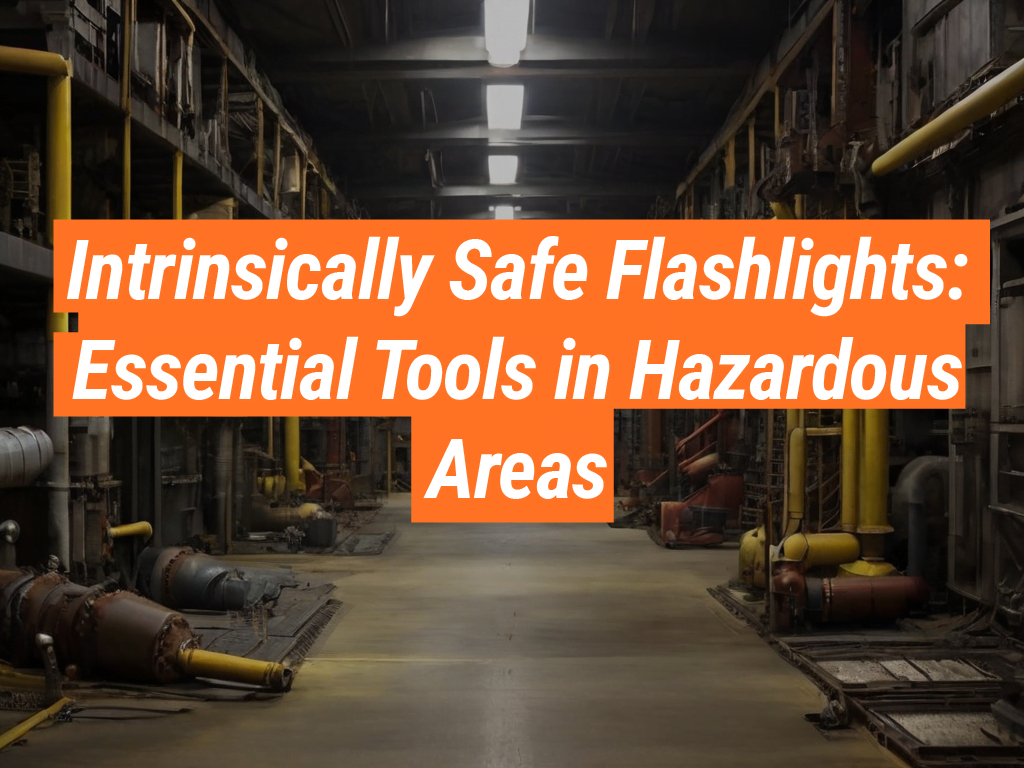
Intrinsically Safe Flashlights Safety: Essentials in Hazardous Areas
Introduction
In environments where safety is paramount, intrinsically safe flashlights stand out as indispensable tools. In hazardous areas where flammable gases, vapors, or combustible dusts are present, a standard flashlight can become an ignition source, leading to catastrophic events. These specialized flashlights do much more than illuminate dark spaces; they are engineered as a critical component of safety protocols to prevent accidents and protect personnel. Before diving into the details, you can explore a wide selection of certified intrinsically safe flashlights for any high-risk setting. This article will explore their importance, key features, and vital role in accident prevention.
Demystifying Intrinsically Safe Flashlights
Specialists have meticulously designed intrinsically safe flashlights for use in environments where standard light sources could trigger fires or explosions by igniting flammable gases or substances. These flashlights intelligently limit their emission of electrical and thermal energy to levels insufficient to ignite a specific hazardous atmosphere, a core design principle for safety under both normal and fault conditions.
Critical Industries and Their Needs
Various industries that operate within potentially hazardous environments necessitate the use of this specialized equipment. In the oil and gas industry, for example, working areas are rife with flammable gases and vapors—a standard flashlight in such a scenario poses a significant risk. Similarly, the mining sector involves working in tunnels filled with explosive materials like coal dust, where ordinary flashlights could lead to devastating explosions.
The chemical production industry is another domain where the safety benefits of intrinsically safe flashlights are indispensable. Volatile substances abound in these environments, and even a minor spark or a slight increase in heat can trigger explosions or fires, resulting in substantial damage and potential loss of life.
The Indispensable Role of Intrinsically Safe Flashlights
Intrinsically safe flashlights thus stand as crucial tools in these industries, significantly mitigating the risk of fire or explosion, thereby protecting workers and preserving equipment and infrastructure. They transcend mere safety measures to become necessities in environments fraught with risks.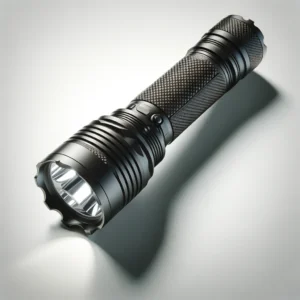
Beyond Illumination: A Tool for Safety and Signaling
Moreover, these flashlights aren’t limited to providing light; they also function as vital signaling devices in emergencies. Their design ensures durability, reliability, and superior performance even in the most challenging conditions. Compliance with stringent quality and safety standards, set by national and international regulatory bodies, is a critical requirement for intrinsically safe flashlights, helping to ensure they are suitable for use in high-risk industries.
Key Features and Benefits of Intrinsically Safe Flashlights
The unique features of intrinsically safe flashlights underline their indispensability in hazardous environments. Their durable construction, resistant to corrosion, impact, and water, ensures reliability under the harsh conditions of daily use. Additionally, these flashlights prevent sparks or excessive heat, essential for avoiding accidents in environments where such hazards could lead to serious disasters. Energy-limiting circuits and robust component design prevent sparks and hotspots from forming. All electrical and thermal energy is kept far below the levels required to ignite a specific hazardous atmosphere, even under fault conditions.
- Low-Energy Circuitry: The core of an intrinsically safe design. Circuits are engineered to operate on very low power, ensuring that even in a short-circuit scenario, the energy released is insufficient to ignite a hazardous atmosphere.
- Sealed Enclosures: Casings are robustly constructed and sealed to prevent flammable particles or gases from entering the internal electronics. They often carry IP ratings (e.g., IP67) for dust and water resistance.
- Non-Sparking Materials: External components are made from materials like anti-static polymers or specific metal alloys that do not generate sparks upon impact.
- Thermal Limitation: The design ensures that the surface temperature of the flashlight never rises to a level that could ignite surrounding substances.
- Global Certifications: Reputable models are certified to strict international standards such as ATEX (Europe) and IECEx (International), providing verified proof of their safety for specific hazardous zones.
These features are collectively designed to prevent the flashlight from becoming an ignition source, providing reliable illumination while actively enhancing worksite safety.
Their Crucial Role in Preventing Accidents
Furthermore, intrinsically safe flashlights play a crucial role in accident prevention. By providing workers with a reliable and safe light source that does not compromise safety, these flashlights significantly reduce the risks associated with hazardous area operations. This not only protects individuals but also the facilities they work in, helping to prevent accidents with potentially devastating consequences.
Additionally, the adoption of intrinsically safe flashlights signals a commitment to safety management best practices and regulatory compliance, essential for obtaining and maintaining necessary certifications to operate in dangerous industries.
Frequently Asked Questions
What makes a flashlight "intrinsically safe"?
An intrinsically safe flashlight is engineered to operate on such low electrical and thermal energy that it lacks the capacity to ignite a specific hazardous atmospheric mixture. It achieves this by limiting its own electrical and thermal energy output to a level below what is needed to ignite a specific hazardous atmospheric mixture.
In which industries are these flashlights essential?
They are critical in industries such as oil and gas, mining, chemical manufacturing, pharmaceuticals, grain handling, and any environment with flammable gases, vapors, liquids, or combustible dusts.
Can I use a regular heavy-duty flashlight in a hazardous area?
No. A standard flashlight, regardless of its durability, can create sparks from its switch, bulb, or wiring, or generate enough heat to ignite a flammable atmosphere. Only use equipment specifically certified for the hazardous location you are in.
How do I identify a certified intrinsically safe flashlight?
Certified flashlights have markings directly on the device indicating their protection level and the standards they meet (e.g., ATEX, IECEx, Class/Division ratings). Always check the product’s documentation and labeling to ensure it’s appropriate for your specific environment.
Conclusion
Intrinsically safe flashlights are not just tools; they are essential components of a comprehensive safety strategy in hazardous environments. Their specialized design and robust construction make them indispensable for preventing accidents where explosion risks are a constant threat. They play a critical role in safeguarding workers and ensuring the operational integrity of high-risk industries. Choosing the correct certified flashlight is more than a wise decision; it is a fundamental requirement for upholding the highest safety standards. For expert guidance on selecting the right flashlight for your specific hazardous area classification, we invite you to speak with a hazardous area specialist. Your commitment to using certified equipment is a significant step towards creating a secure and productive work environment.