

Intrinsically Safe Knowledge Base
Oil and Gas Industry: Intrinsically Safe iPad Cases
As technology continues to evolve, industries worldwide are finding innovative ways to enhance their operations. One such industry is the oil and gas sector, which has seen significant advancements in recent years. A key player in this transformation is the Intrinsically Safe Store, a leading provider of intrinsically safe devices and accessories. In this article, we will explore how intrinsically safe iPad cases from the Intrinsically Safe Store are revolutionizing operations in the oil and gas industry.
Understanding Intrinsically Safe iPad Cases
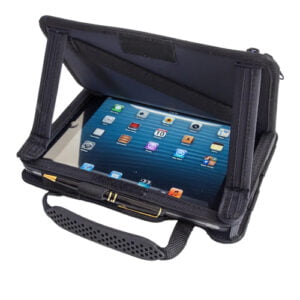
Intrinsically safe iPad cases are designed to protect iPads in hazardous environments, such as oil and gas sites. These cases are engineered to prevent the ignition of flammable gases or dust, making them an essential tool for workers in the petroleum industry.
The Role of Intrinsically Safe iPad Cases in the Oil and Gas Industry
These iPad cases play a crucial role in enhancing safety and efficiency in the oil and gas industry. Here are some of the ways they are making a difference:
- Enhanced Communication: With intrinsically safe iPad cases, workers can safely use their devices in hazardous areas, improving communication and collaboration.
- Improved Data Collection: These cases allow for the safe use of iPads for data collection and analysis, leading to more informed decision-making.
- Increased Efficiency: By enabling the use of iPads in hazardous areas, these cases help to streamline operations and increase productivity.
Common Applications in Oil & Gas
In practice, intrinsically safe iPads transform operations by enabling specific digital workflows directly in hazardous zones. Common applications include:
- Digital Rounds and Inspections: Operators can complete inspection forms, log readings, and capture photographic evidence of asset conditions without needing paper-based systems.
- Asset Management and Maintenance: Technicians can access technical manuals, schematics, and work orders directly at the equipment, improving first-time fix rates.
- Remote Expert Assistance: Field personnel can initiate video calls with off-site experts to troubleshoot complex issues in real-time, reducing downtime and travel costs.
Statistics Highlighting the Impact of Intrinsically Safe iPad Cases
Recent statistics further illustrate the impact of these cases. Companies implementing intrinsically safe iPad cases often report significant gains in productivity and improvements in data accuracy. These benefits demonstrate the significant benefits of using intrinsically safe iPad cases in the oil and gas industry.
What Has Changed in Intrinsically Safe iPad Technology?
The landscape for intrinsically safe mobile technology is constantly advancing. While foundational benefits like improved data accuracy and productivity remain, recent developments have centered on enhanced connectivity, broader device support, and updated safety standards. Key changes include:
- Compatibility with Newer iPad Models: Manufacturers now offer certified cases for the latest generations of iPad, iPad Air, and iPad Pro, ensuring that teams can use modern, high-performance devices with features like the M-series chips and enhanced displays.
- Updated Certifications: Cases are certified to the latest ATEX and IECEx standards, ensuring compliance with current international safety regulations for explosive atmospheres. This gives operators confidence that their equipment meets the highest safety benchmarks.
- Improved Connectivity for IIoT: Modern intrinsically safe iPad solutions are designed with 5G and Wi-Fi 6 capabilities in mind, enabling faster and more reliable data transfer. This is critical for real-time monitoring, remote expert collaboration, and seamless integration with Industrial Internet of Things (IIoT) platforms in modern hazardous area operations.
Updated Comparison of Current Options
When selecting an intrinsically safe iPad case, it’s important to match the device to your specific environmental and operational needs. The primary distinction lies in the hazardous area certification. Here’s a breakdown of the available options:
- Cases for High-Risk Areas (Class I Div 1 / Zone 1): These cases are certified for use in high-risk environments. Per NEC standards, Class I, Division 1 is for areas where ignitable concentrations of hazards can exist under normal operating conditions. Per ATEX/IECEx standards, Zone 1 is for areas where explosive atmospheres are likely to occur in normal operation. They are ideal for upstream and downstream oil and gas applications, chemical processing plants, and other high-risk areas. Brands like Xciel are leaders in this category.
- Class 1 Division 2 / ATEX Zone 2 Cases: These cases are certified for areas where hazardous materials are only present in abnormal conditions, such as a leak or accidental release. They are often lighter and less bulky than their Division 1 counterparts, making them suitable for field service, maintenance, and inspection rounds in less volatile environments.
- Rugged (Non-Certified) Cases: While not intrinsically safe, rugged cases provide enhanced drop protection, dust resistance, and water resistance for iPads used in demanding non-hazardous industrial settings. It is crucial not to confuse these with intrinsically safe certified models.
Choosing the correct certification is non-negotiable for safety and compliance. You can explore a variety of C1D1 and C1D2 certified iPad cases to find the appropriate solution for your team.
Frequently Asked Questions
Which iPad models are compatible with intrinsically safe cases?
Compatibility is case-specific and updated regularly to accommodate new Apple releases. Certified cases are available for a wide range of models, including the standard iPad, iPad Air, and iPad Pro. It is essential to verify the exact model and generation number in the product specifications before purchasing.
What is the difference between Class 1 Division 1 and Division 2 ratings?
Class 1 Division 1 (C1D1) certified cases are approved for use where hazardous concentrations of flammable gases are present continuously or intermittently under normal conditions. Class 1 Division 2 (C1D2) cases are for areas where these substances are present only under abnormal conditions, such as an accidental container rupture. The required rating is determined by your site’s official hazardous area classification.
Can I install the intrinsically safe case on my iPad myself?
No, this is a critical safety consideration. To ensure the integrity of the intrinsic safety protection, the iPad must be installed into its case by the certified manufacturer or a certified technician. The complete unit—the iPad inside the case—is sold as a single, certified system.
Do these cases affect the iPad’s functionality?
Intrinsically safe cases are engineered to provide full access to the iPad’s features, including the touchscreen, cameras, and buttons. While they add bulk and weight for protection, the core functionality and performance of the device remain unaffected for tasks like data entry, video calls, and running applications.
Intrinsically safe iPad cases are revolutionizing operations in the petroleum industry. By enhancing communication, improving data collection, and increasing efficiency, these cases are proving to be an invaluable tool for companies in this sector. As a leading provider of intrinsically safe devices and accessories, the Intrinsically Safe Store is at the forefront of this transformation.
If you are looking to enhance operational safety and efficiency in the oil and gas industry, implementing certified iPad solutions is a critical step. Explore our range of certified iPad cases to find the right fit for your hazardous environment. For personalized recommendations or to request a quote, talk to a hazardous area specialist today.