

Intrinsically Safe Knowledge Base
Safe Cameras Implementation: Best Practices for Optimizing Safety
Welcome to our comprehensive guide on safe cameras implementation. As you embark on this journey to enhance safety in hazardous environments, we encourage you to visit Intrinsically Safe Store to explore a wide range of intrinsically safe camera solutions tailored to your needs. Visual monitoring is critical for process control and security, but standard equipment introduces unacceptable ignition risks. By equipping your facility with cutting-edge safety technology from trusted manufacturers, you can aid in maintaining compliance with industry regulations and gain peace of mind.
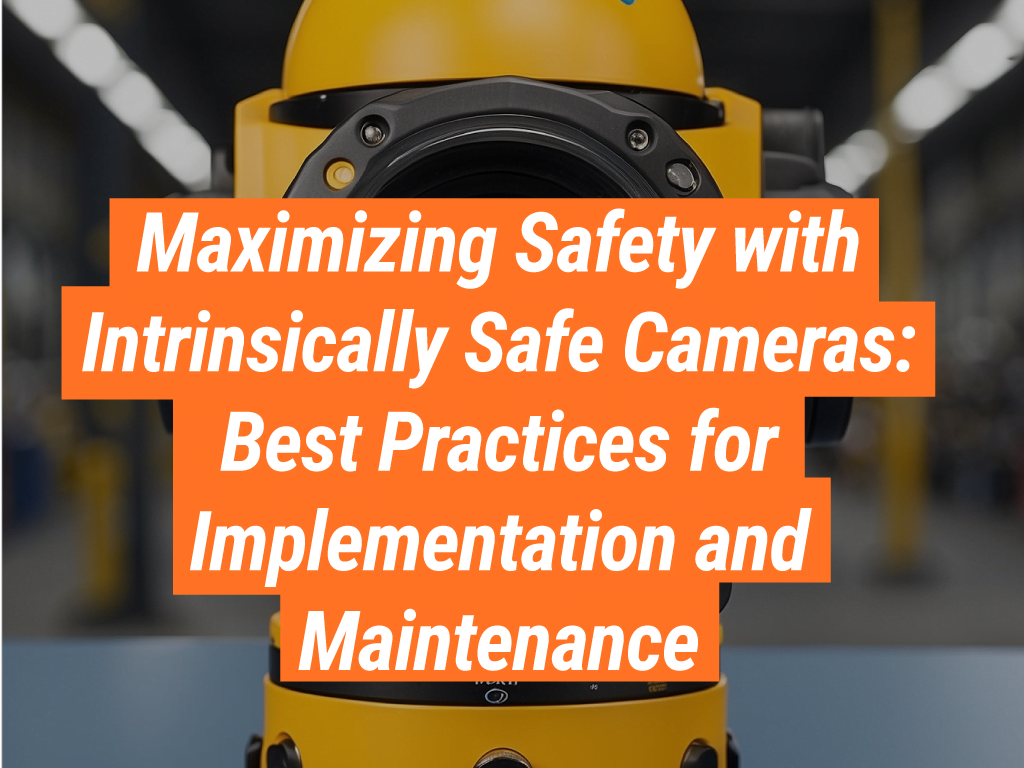
In today’s industrial landscape, ensuring safety is paramount, especially in hazardous environments where the risk of explosions and fires looms large. Implementing intrinsically safe cameras can revolutionize workplace safety. These specialized cameras are engineered to operate in potentially explosive atmospheres without igniting hazardous substances. However, to fully harness their potential, you must adhere to best practices for both implementation and maintenance. To that end, let’s delve into these practices to ensure optimal performance and longevity of intrinsically safe cameras in hazardous environments.
Understanding Intrinsically Safe Cameras
Before diving into implementation and maintenance practices, it’s crucial to grasp the fundamentals of intrinsically safe cameras. Engineers design these cameras to prevent sparks or heat generation that could ignite flammable substances in hazardous areas. They achieve this by using low-power, energy-limiting circuits and robust enclosures, this design is intended to prevent them from posing an ignition risk, even under specified fault conditions, in the presence of volatile gases or dust. This design philosophy is fundamentally different from explosion-proof methods, which focus on containing an internal explosion rather than preventing it.
Key Features & Benefits
Intrinsically safe cameras are equipped with specific features that make them suitable for volatile environments. Understanding these features helps in selecting the right device for your specific operational needs and highlights the value they bring to your safety protocols.
- Low-Power Electrical Circuits: The core of intrinsic safety lies in limiting the electrical and thermal energy to levels below that which can ignite a specific hazardous atmospheric mixture. This ensures the device is safe under both normal operation and fault conditions.
- Certified for Hazardous Locations: These cameras come with certifications like ATEX, IECEx, or NEC, explicitly stating the hazardous locations (e.g., Zones 0, 1, or 2 under ATEX/IECEx, or Class I, Division 1 under NEC) in which they are approved to operate.
- Rugged and Durable Construction: Designed to withstand harsh industrial conditions, these cameras often feature robust, sealed enclosures that protect against dust, water, corrosion, and physical impact, ensuring long-term reliability.
- High-Quality Imaging: Despite their low-power design, modern intrinsically safe cameras offer high-resolution video, thermal imaging, and other advanced features, providing clear visibility for monitoring critical processes and securing perimeters without compromising safety.
Implementation Best Practices
- Conduct Hazard Assessment: Before installing intrinsically safe cameras, conduct a thorough hazard assessment of the environment. Identify potential sources of ignition and classify hazardous areas according to safety standards such as ATEX or NEC.
- Select Suitable Camera Models: Choose intrinsically safe camera models certified for the specific hazardous location (Zone or Class/Division). Ensure they meet all necessary safety standards and regulations.
- Proper Installation: Install intrinsically safe cameras following manufacturer guidelines and applicable safety regulations. Use certified equipment and trained personnel for correct installation and wiring in hazardous areas. This often includes using certified Zener barriers or galvanic isolators.
- Regular Inspections: Schedule regular inspections to check for signs of damage or malfunction. Inspect cables, connectors, and enclosures for wear and tear, replacing any degraded components promptly.
- Calibration and Testing: Periodically calibrate and test intrinsically safe cameras to verify their performance and adherence to safety standards. Follow manufacturer recommendations for calibration frequency and procedures to maintain accuracy.
Maintenance Best Practices
- Routine Cleaning: Keep intrinsically safe cameras clean and free from dust, dirt, or other contaminants. Use non-abrasive cleaning materials and maintain the camera’s integrity during cleaning.
- Monitor Environmental Conditions: Regularly monitor environmental conditions like temperature, humidity, and pressure in hazardous areas. Ensure intrinsically safe cameras operate within specified limits to prevent potential hazards.
- Prompt Repairs: Address issues or malfunctions promptly to prevent safety risks. Establish a repair and maintenance protocol, and train personnel to identify and rectify problems efficiently.
- Update Firmware and Software: Stay up-to-date with firmware and software updates provided by the camera manufacturer. These updates may include security patches or performance enhancements critical for optimal camera functionality.
- Documentation and Record-Keeping: Maintain comprehensive documentation of maintenance activities, inspections, repairs, and modifications made to intrinsically safe cameras. Keep records organized and accessible for auditing and regulatory compliance.
Frequently Asked Questions
What is the main difference between an intrinsically safe camera and an explosion-proof camera?
An intrinsically safe camera is designed to be incapable of producing a spark or thermal effect that could ignite a flammable atmosphere. An explosion-proof camera is housed in an enclosure strong enough to contain an internal explosion and prevent it from igniting the surrounding hazardous atmosphere. Intrinsic safety is a preventative method, while explosion-proof is a containment method.
Can I use any power supply with an intrinsically safe camera?
No. You must use a power supply and associated apparatus (like Zener barriers or galvanic isolators) that are specifically approved for the intrinsically safe system. Using an uncertified power supply voids the safety rating and creates a serious explosion risk.
Are intrinsically safe cameras more expensive than standard cameras?
Yes, due to their specialized design, rigorous testing, and certification processes, intrinsically safe cameras have a higher initial cost than standard industrial cameras. However, this cost is justified by the critical safety they provide in hazardous locations, protecting personnel and valuable assets from catastrophic events.
How do I know which camera is right for my specific hazardous zone?
The correct camera is determined by the classification of your hazardous area (e.g., Zone 0, 1, or 2 for gas/vapor; Zone 20, 21, or 22 for dust). The camera’s certification, such as an ATEX or IECEx label, will specify the zones it is approved for. A thorough hazard assessment is the first step to making the correct selection.
Intrinsically safe cameras are pivotal in maximizing safety in hazardous environments, but their effectiveness depends on proper implementation and maintenance. By adhering to best practices, organizations can ensure optimal performance and longevity of these essential safety devices. From meticulous installation to regular maintenance, each step contributes to mitigating risks and safeguarding personnel and assets in hazardous industrial settings.
Ready to enhance worksite visibility and safety? Talk to a hazardous-area specialist today to discuss your specific camera requirements. Let us partner with you to safeguard your personnel and assets in hazardous environments, ensuring a safer and more productive workplace.