

Intrinsically Safe Knowledge Base
Wireless Communication for Explosive Environments
Introduction
Wireless communication has revolutionized how we connect and exchange information, but its use in hazardous environments, where the risk of explosion is constant, requires meticulous planning and specialized equipment. In industries like oil and gas, chemical processing, and mining, a single spark can lead to catastrophic events. This is where the principle of intrinsic safety becomes paramount. The Intrinsically Safe Store provides a comprehensive range of explosion-proof wireless communication devices, engineered to ensure both safety and operational efficiency in these critical areas. Visit our website to explore our extensive product range of certified communication tools.
Understanding Explosion-Proof Environments
Explosion-proof environments are areas where flammable gases, vapors, or dust are present, creating a risk of explosion. These environments require specially designed equipment to prevent ignition of the explosive atmosphere. Understanding hazardous area classifications is the first step in selecting compliant equipment. Industries such as oil and gas, mining, chemical manufacturing, and pharmaceuticals often operate in such environments.
The Need for Wireless Communication
Effective communication is crucial in these hazardous environments. Workers need to coordinate tasks, respond to emergencies, and ensure smooth operations. Traditional wired communication systems can be restrictive and prone to damage, making wireless communication a more flexible and reliable solution for maintaining constant contact and improving team coordination.
Challenges of Wireless Communication in Hazardous Areas
Despite its advantages, implementing wireless connectivity in explosion-proof environments is not without challenges. These include:
- Interference from other wireless devices and heavy machinery
- Signal attenuation due to physical barriers like steel and concrete structures
- Power limitations of wireless devices to meet intrinsic safety standards
- Strict compliance with complex safety regulations and certifications
Key Features & Benefits of Intrinsically Safe Wireless Devices
To address the challenges of hazardous locations, intrinsically safe wireless devices are built with specific features that deliver critical benefits for both safety and productivity.
- Low-Power Design: Devices operate on very low electrical energy, insufficient to create a spark or thermal effect that could ignite a hazardous atmosphere.
- Robust Construction: They are built to withstand harsh industrial conditions, including extreme temperatures, humidity, dust, and physical impact. Enclosures are often sealed to prevent ingress of flammable substances.
- Certified Compliance: All genuinely safe devices are rigorously tested and certified to meet standards like ATEX, IECEx, and North American classifications (e.g., Class I, Division 1).
- Enhanced Safety: The primary benefit is the prevention of explosions, protecting personnel, assets, and the environment.
- Improved Efficiency: Reliable, real-time communication allows for better coordination, faster response times to incidents, and streamlined workflows, leading to increased operational productivity.
Explosion-Proof Wireless Communication Solutions
At Intrinsically Safe Store, we offer a range of wireless communication devices that are designed to overcome these challenges. Our products are certified as intrinsically safe, meaning they are incapable of igniting an explosive atmosphere even under fault conditions.
Case Study: Intrinsically Safe Two-Way Radios
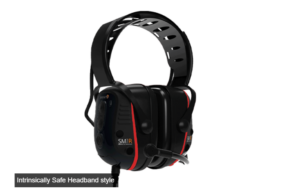
One of our flagship products is the intrinsically safe two-way radio. Designers create these radios to provide clear, reliable communication in hazardous environments. They build them to withstand harsh conditions and equip them with safety features such as emergency alerts and man-down detection.
Regulations and Standards
Wireless connectivity devices for explosion-proof environments must comply with various international standards. These include the ATEX directive in Europe, the IECEx scheme internationally, and the NEC and OSHA standards in the United States. All our products at Intrinsically Safe Store meet these stringent standards, ensuring the highest level of safety for our customers.
Frequently Asked Questions (FAQs)
What makes a wireless device “intrinsically safe”?
A device is intrinsically safe if its internal circuitry is designed to operate with such low electrical and thermal energy that it cannot generate a spark or heat capable of igniting flammable materials present in the atmosphere, even in a fault condition.
Can I use a regular smartphone in a hazardous area with an explosion-proof case?
No, this is a common and dangerous misconception. A case does not make a standard, high-energy device intrinsically safe. You must use devices specifically designed and certified from the ground up for the hazardous rating of your environment, such as an intrinsically safe smartphone.
What are the main certifications I should look for?
The key certifications depend on your region. Look for ATEX for Europe, IECEx for international acceptance, and NEC/UL/CSA standards for North America (e.g., Class I, Division 1 or 2). Always match the device’s certification to your specific zone or division requirements.
Conclusion
Wireless communication in explosion-proof environments is a complex but essential aspect of modern industry. With the right equipment and strict adherence to safety standards, it is possible to achieve effective, reliable communication in these hazardous areas. At Intrinsically Safe Store, we are committed to providing the best explosion-proof wireless connectivity solutions. Talk to a hazardous-area specialist today to find the right communication solution for your facility.