



























Explosion Proof Fan & Blower
Explosion proof fans and blowers are designed specifically for operating in hazardous environments. They are designed to meet ATEX and IECEx standards, ensuring they can be safely used in areas where explosive gases or dust might be present such as grain handling facilities they are ideal for use in the oil & gas, chemical, petrochemical, and power generation industries. They can withstand high temperatures, pressure build-up due to fires, or other accidents on the job site without shutting down – making them ideal for use in industries like yours! The right equipment can save your life! Our explosion-proof fans & blowers are essential in any workplace. They help to keep you safe from fires, toxic gases, and other dangerous substances that may pose a threat around the clock without them we would all likely be dead or severely injured thanks to these amazing pieces of technology.
Showing all 36 resultsSorted by popularity
-
%27%20fill-opacity%3D%27.5%27%3E%3Cellipse%20fill%3D%22%23626262%22%20fill-opacity%3D%22.5%22%20rx%3D%221%22%20ry%3D%221%22%20transform%3D%22matrix(188.12418%20-47.22214%2018.17612%2072.41027%20112.5%20146.8)%22%2F%3E%3Cellipse%20fill-opacity%3D%22.5%22%20rx%3D%221%22%20ry%3D%221%22%20transform%3D%22matrix(288.1257%20-79.25802%2016.4642%2059.8521%20198.4%20267)%22%2F%3E%3Cellipse%20fill-opacity%3D%22.5%22%20rx%3D%221%22%20ry%3D%221%22%20transform%3D%22rotate(-93.1%2082.8%20-58)%20scale(32.63595%20298.82815)%22%2F%3E%3Cpath%20fill-opacity%3D%22.5%22%20d%3D%22M251.4.6h49.2V72h-49.2z%22%2F%3E%3C%2Fg%3E%3C%2Fsvg%3E)
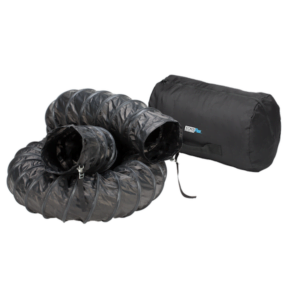
RAMFAN ECKO Flex Conductive Duct
$14040Price Depends on product option Make a selection to update price -
%27%20fill-opacity%3D%27.5%27%3E%3Cellipse%20fill%3D%22%23282828%22%20fill-opacity%3D%22.5%22%20rx%3D%221%22%20ry%3D%221%22%20transform%3D%22matrix(-60.59603%2022.41515%20-21.00704%20-56.7894%20102.4%20116)%22%2F%3E%3Cellipse%20fill%3D%22%23fff%22%20fill-opacity%3D%22.5%22%20rx%3D%221%22%20ry%3D%221%22%20transform%3D%22matrix(1.31597%2034.16065%20-206.84658%207.96833%20132.4%20212.8)%22%2F%3E%3Cellipse%20fill%3D%22%23fff%22%20fill-opacity%3D%22.5%22%20rx%3D%221%22%20ry%3D%221%22%20transform%3D%22matrix(206.71631%2010.83354%20-1.9183%2036.6032%20128.5%2028)%22%2F%3E%3Cpath%20fill%3D%22%23fff%22%20fill-opacity%3D%22.5%22%20d%3D%22M237.9%20243.5l-65-1%204.2-241%2065%201z%22%2F%3E%3C%2Fg%3E%3C%2Fsvg%3E)
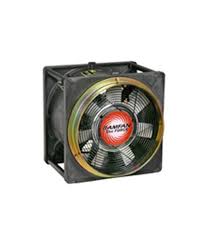
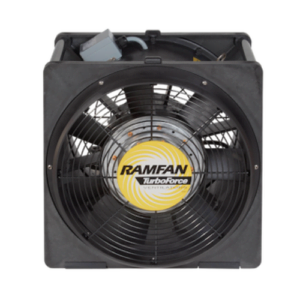
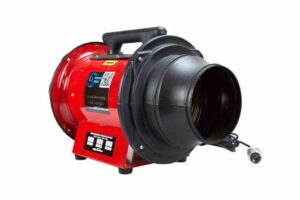
RAMFAN EFi150xx – 16″ Explosion Proof Fan
$4,25844Price Depends on product option Make a selection to update price -
%27%20fill-opacity%3D%27.5%27%3E%3Cellipse%20fill%3D%22%23a7ab98%22%20fill-opacity%3D%22.5%22%20rx%3D%221%22%20ry%3D%221%22%20transform%3D%22matrix(84.96026%203.43384%20-3.96412%2098.08038%20149.9%20145.6)%22%2F%3E%3Cellipse%20fill-opacity%3D%22.5%22%20rx%3D%221%22%20ry%3D%221%22%20transform%3D%22matrix(37.0199%20-2.27291%2018.31267%20298.26648%20275.6%20147.2)%22%2F%3E%3Cellipse%20fill-opacity%3D%22.5%22%20rx%3D%221%22%20ry%3D%221%22%20transform%3D%22matrix(-29.529%20-1.32357%2013.38082%20-298.5284%2024.5%20100.2)%22%2F%3E%3Cellipse%20fill-opacity%3D%22.5%22%20rx%3D%221%22%20ry%3D%221%22%20transform%3D%22matrix(-2.51945%20-28.79749%20297.69096%20-26.04458%20116.5%20292.4)%22%2F%3E%3C%2Fg%3E%3C%2Fsvg%3E)
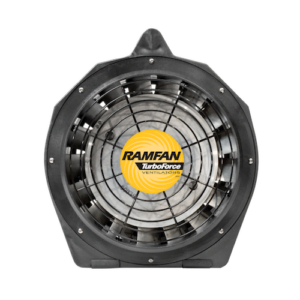
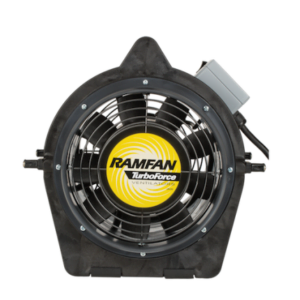
RAMFAN EFi75xx – 12″ Explosion Proof Fan
$4,48200Price Depends on product option Make a selection to update price -
%27%20fill-opacity%3D%27.5%27%3E%3Cellipse%20fill%3D%22%23575757%22%20fill-opacity%3D%22.5%22%20rx%3D%221%22%20ry%3D%221%22%20transform%3D%22matrix(85.60978%205.01928%20-6.61677%20112.85676%20138.8%20137.1)%22%2F%3E%3Cellipse%20fill%3D%22%23fff%22%20fill-opacity%3D%22.5%22%20rx%3D%221%22%20ry%3D%221%22%20transform%3D%22rotate(-174.8%20138.6%2076.7)%20scale(44.25745%20298.82815)%22%2F%3E%3Cpath%20fill%3D%22%23fff%22%20fill-opacity%3D%22.5%22%20d%3D%22M-48%20278.5l10.4-296.3%2086.7%203-10.4%20296.3z%22%2F%3E%3Cellipse%20fill%3D%22%23fff%22%20fill-opacity%3D%22.5%22%20rx%3D%221%22%20ry%3D%221%22%20transform%3D%22matrix(-50.86339%20-294.4676%2040.28006%20-6.95757%20277.1%2081.3)%22%2F%3E%3C%2Fg%3E%3C%2Fsvg%3E)
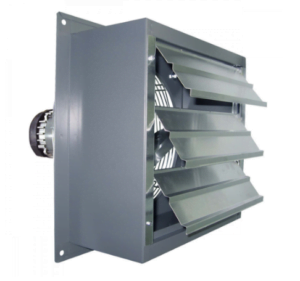
C1D1 Explosion Proof Fan Canarm SD08-XPF – 8″
$1,51800Import tariffs charged -
%27%20fill-opacity%3D%27.5%27%3E%3Cellipse%20fill%3D%22%238c9272%22%20fill-opacity%3D%22.5%22%20rx%3D%221%22%20ry%3D%221%22%20transform%3D%22rotate(-133.6%20114.2%2028)%20scale(64.94092%20112.05211)%22%2F%3E%3Cellipse%20fill-opacity%3D%22.5%22%20rx%3D%221%22%20ry%3D%221%22%20transform%3D%22matrix(291.85742%20-64.16772%2010.97122%2049.90097%20146.1%20.7)%22%2F%3E%3Cpath%20fill-opacity%3D%22.5%22%20d%3D%22M241.7%20301L278%204.6l79%209.7-36.3%20296.6zM4.1%2028.7l54%20289.5-76.3-24.6z%22%2F%3E%3C%2Fg%3E%3C%2Fsvg%3E)
RAMFAN UB20xx – 8″ Explosion Proof Fan
$2,41164Price Depends on product option Make a selection to update price -
%22%20transform%3D%22translate(.6%20.6)%20scale(1.17188)%22%20fill-opacity%3D%22.5%22%3E%3Cellipse%20fill%3D%22%23666%22%20rx%3D%221%22%20ry%3D%221%22%20transform%3D%22matrix(-9.01401%20-254.84063%2048.37827%20-1.7112%20121.7%20134)%22%2F%3E%3Cellipse%20cx%3D%22224%22%20cy%3D%22124%22%20rx%3D%2242%22%20ry%3D%22255%22%2F%3E%3Cellipse%20cx%3D%2227%22%20cy%3D%22136%22%20rx%3D%2236%22%20ry%3D%22255%22%2F%3E%3Cellipse%20fill%3D%22%23777%22%20rx%3D%221%22%20ry%3D%221%22%20transform%3D%22matrix(-58.20156%2015.18845%20-8.54326%20-32.73744%20126%200)%22%2F%3E%3C%2Fg%3E%3C%2Fsvg%3E)
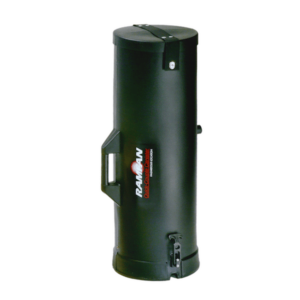
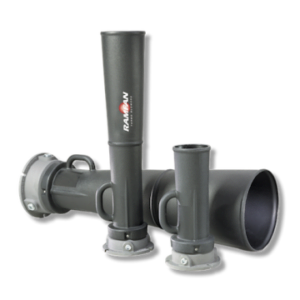
RAMFAN Quick-Couple Canister for UB20XX
$73980Price Depends on product option Make a selection to update price -
%22%20transform%3D%22translate(.6%20.6)%20scale(1.17188)%22%20fill-opacity%3D%22.5%22%3E%3Cellipse%20fill%3D%22%239fa09a%22%20rx%3D%221%22%20ry%3D%221%22%20transform%3D%22rotate(121.3%2026%20104.4)%20scale(49.77005%2051.1063)%22%2F%3E%3Cellipse%20rx%3D%221%22%20ry%3D%221%22%20transform%3D%22matrix(-5.68018%20247.42703%20-32.06535%20-.73612%20249.9%20123.1)%22%2F%3E%3Cellipse%20cx%3D%229%22%20cy%3D%22132%22%20rx%3D%2220%22%20ry%3D%22255%22%2F%3E%3Cellipse%20rx%3D%221%22%20ry%3D%221%22%20transform%3D%22matrix(-.00988%20-17.71005%20174.38725%20-.09725%20125.6%20255)%22%2F%3E%3C%2Fg%3E%3C%2Fsvg%3E)
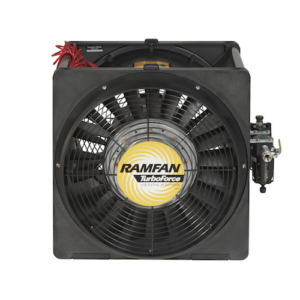
RAMFAN EFi50xx – 16″ Explosion Proof Fan
$4,69754Price Depends on product option Make a selection to update price -
%22%20transform%3D%22translate(.6%20.6)%20scale(1.17188)%22%20fill-opacity%3D%22.5%22%3E%3Cellipse%20fill%3D%22%237b7b7b%22%20rx%3D%221%22%20ry%3D%221%22%20transform%3D%22rotate(3%20-2637%202418.7)%20scale(121.49209%2064.36155)%22%2F%3E%3Cpath%20d%3D%22M-16%202l287-18v129z%22%2F%3E%3Cellipse%20fill%3D%22%23717171%22%20rx%3D%221%22%20ry%3D%221%22%20transform%3D%22matrix(22.91443%2069.29625%20-36.30782%2012.00603%20135%2095)%22%2F%3E%3Cellipse%20cx%3D%2285%22%20cy%3D%22243%22%20rx%3D%22255%22%20ry%3D%2233%22%2F%3E%3C%2Fg%3E%3C%2Fsvg%3E)
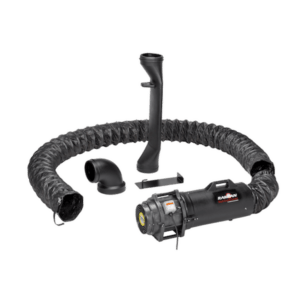
RAMFAN M-E-D, Manhole Entry Device
$7344Price Depends on product option Make a selection to update price -
C1D1 Explosion Proof Canarm SD24-XPF – 24″
$1,95500Import tariffs charged -
C1D1 Explosion Proof Fan Canarm SD18-XPF – 18″
$1,84000Import tariffs charged -
C1D1 Explosion Proof Fan Canarm SD12-XPF – 12″
$1,62000Import tariffs charged -
%27%20fill-opacity%3D%27.5%27%3E%3Cellipse%20fill%3D%22%23e9e9e9%22%20fill-opacity%3D%22.5%22%20rx%3D%221%22%20ry%3D%221%22%20transform%3D%22matrix(-97.7511%20-39.1874%2042.62437%20-106.32449%20121%20130)%22%2F%3E%3Cellipse%20fill-opacity%3D%22.5%22%20rx%3D%221%22%20ry%3D%221%22%20transform%3D%22matrix(21.61295%20-298.04551%2046.31949%203.35889%20275.7%20188.6)%22%2F%3E%3Cellipse%20fill-opacity%3D%22.5%22%20rx%3D%221%22%20ry%3D%221%22%20transform%3D%22matrix(-2.91528%2039.48195%20-298.01682%20-22.00506%20111.9%20275)%22%2F%3E%3Cellipse%20fill-opacity%3D%22.5%22%20rx%3D%221%22%20ry%3D%221%22%20transform%3D%22rotate(-89.7%2073.6%2066.4)%20scale(286.27859%2019.09382)%22%2F%3E%3C%2Fg%3E%3C%2Fsvg%3E)
RAMFAN Duct Adapter/Reducer (EC0301)
$61776 -
%27%20fill-opacity%3D%27.5%27%3E%3Cellipse%20fill%3D%22%2343443b%22%20fill-opacity%3D%22.5%22%20rx%3D%221%22%20ry%3D%221%22%20transform%3D%22matrix(-92.74541%20-47.66467%2049.12933%20-95.59533%20145%20159.7)%22%2F%3E%3Cellipse%20fill%3D%22%23fff%22%20fill-opacity%3D%22.5%22%20rx%3D%221%22%20ry%3D%221%22%20transform%3D%22matrix(296.53584%2036.94246%20-5.41941%2043.50143%20196.7%2027.6)%22%2F%3E%3Cellipse%20fill%3D%22%23fff%22%20fill-opacity%3D%22.5%22%20rx%3D%221%22%20ry%3D%221%22%20transform%3D%22matrix(-54.4968%20293.81686%20-38.77946%20-7.19277%20287.8%20203.1)%22%2F%3E%3Cpath%20fill%3D%22%23fff%22%20fill-opacity%3D%22.5%22%20d%3D%22M-40.7%203l77.3-1.3L42%20300.5l-77.4%201.3z%22%2F%3E%3C%2Fg%3E%3C%2Fsvg%3E)
RAMFAN AFi75xx – 12″ Inch Explosion Proof Fan
$3,56616 -
%22%20transform%3D%22translate(.6%20.6)%20scale(1.17188)%22%20fill-opacity%3D%22.5%22%3E%3Cellipse%20fill%3D%22%23353535%22%20rx%3D%221%22%20ry%3D%221%22%20transform%3D%22matrix(44.0547%2057.00012%20-65.0352%2050.26492%20136%20116.4)%22%2F%3E%3Cellipse%20fill%3D%22%23fff%22%20rx%3D%221%22%20ry%3D%221%22%20transform%3D%22rotate(179.9%2069.6%20115.3)%20scale(255%2035.24271)%22%2F%3E%3Cellipse%20fill%3D%22%23fff%22%20cx%3D%223%22%20cy%3D%22172%22%20rx%3D%2239%22%20ry%3D%22255%22%2F%3E%3Cellipse%20fill%3D%22%23fff%22%20rx%3D%221%22%20ry%3D%221%22%20transform%3D%22matrix(-15.71601%2038.19421%20-221.54116%20-91.15893%20202.3%200)%22%2F%3E%3C%2Fg%3E%3C%2Fsvg%3E)
Axial Explosion Proof Fan Canarm AX16-4
$2,08500Import tariffs charged -

Guide Vane Cable Assembly Replacement for Curtiss-Wright Coppus Ventilators
$18000Price Depends on product option Make a selection to update price -
Fixed Guide Vane Replacement for Curtiss-Wright Coppus Ventilators
$87000Price Depends on product option Make a selection to update price -

Guide Vane Assembly Replacement for Curtiss-Wright Coppus Ventilators
$1,21400Price Depends on product option Make a selection to update price -

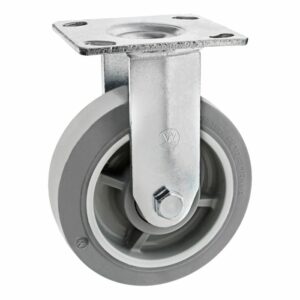
Rigid Castor Wheel Replacement for Curtiss-Wright Coppus Ventilators
$11000 -

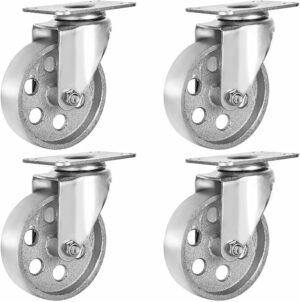
Swivel Castor Wheel Replacement for Curtiss-Wright Coppus Ventilators
$17400 -

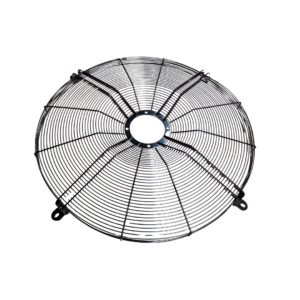
Inlet Fan Guard Replacement for Curtiss-Wright Coppus Ventilators
$21400Price Depends on product option Make a selection to update price -

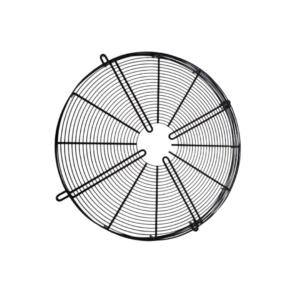
Outlet Fan Guard Replacement for Curtiss-Wright Coppus Ventilators
$21400Price Depends on product option Make a selection to update price -

Replacement Fan Blade for Curtiss-Wright Hazardous Area Fans
$69400Price Depends on product option Make a selection to update price -

Explosion Proof 30″ Industrial Fan C1D1 & C2D1 – 115V Horizontal
$4,67640 -

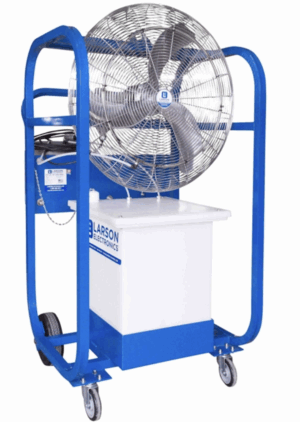
Explosion Proof Portable Evaporative Cooler – Class I & II
$19,71000Price Depends on product option Make a selection to update price -

Explosion‑Proof Inline Axial Fan – Class I Division 1
$6,60096Price Depends on product option Make a selection to update price -

Explosion Proof Inline Axial Fan – Class I, Div 1 – 1/3 HP Blower
$5,18400 -
RAMFAN EFi120xx – 16″ Explosion Proof Fan
$3,58020Price Depends on product option Make a selection to update price -
C1D1 Explosion Proof Fan Canarm SD10-XPF – 10″
$1,53500Import tariffs charged -
%27%20fill-opacity%3D%27.5%27%3E%3Cellipse%20fill%3D%22%23a68d8d%22%20fill-opacity%3D%22.5%22%20rx%3D%221%22%20ry%3D%221%22%20transform%3D%22matrix(117.04492%2026.27592%20-18.48783%2082.3532%20147.3%20150.7)%22%2F%3E%3Cellipse%20fill-opacity%3D%22.5%22%20rx%3D%221%22%20ry%3D%221%22%20transform%3D%22matrix(-.31447%20-43.64197%20298.82037%20-2.1532%20167%20276)%22%2F%3E%3Cellipse%20fill-opacity%3D%22.5%22%20rx%3D%221%22%20ry%3D%221%22%20transform%3D%22matrix(.84536%2027.2706%20-298.68465%209.25893%2073%2020.6)%22%2F%3E%3Cpath%20fill-opacity%3D%22.5%22%20d%3D%22M318.2%20293.6L295.9-18.2l-64.5%20330.5z%22%2F%3E%3C%2Fg%3E%3C%2Fsvg%3E)
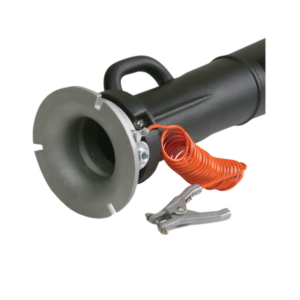
RAMFAN Static Cord
$15768 -

RAMFAN Venturi Cones Explosion Proof Fan
$68000Price Depends on product option Make a selection to update price -
%22%20transform%3D%22translate(.6%20.6)%20scale(1.17188)%22%20fill-opacity%3D%22.5%22%3E%3Cellipse%20fill%3D%22%23242424%22%20rx%3D%221%22%20ry%3D%221%22%20transform%3D%22rotate(-179.7%2065.2%2062.7)%20scale(85.7143%2092.69963)%22%2F%3E%3Cellipse%20fill%3D%22%23fff%22%20rx%3D%221%22%20ry%3D%221%22%20transform%3D%22matrix(39.95068%20.07091%20-.4526%20254.9996%208.3%20128)%22%2F%3E%3Cellipse%20fill%3D%22%23fff%22%20rx%3D%221%22%20ry%3D%221%22%20transform%3D%22rotate(179.9%20119%2066.3)%20scale(26.55735%20254.99998)%22%2F%3E%3Cellipse%20fill%3D%22%23fff%22%20cx%3D%22137%22%20cy%3D%22243%22%20rx%3D%22255%22%20ry%3D%2219%22%2F%3E%3C%2Fg%3E%3C%2Fsvg%3E)
RAMFAN AFi50xx – 16″ Explosion Proof Fan
$3,83859 -

Axial Explosion Proof Fan Canarm AX12-4
$2,01000Import tariffs charged -
%27%20fill-opacity%3D%27.5%27%3E%3Cellipse%20fill%3D%22%23353535%22%20fill-opacity%3D%22.5%22%20rx%3D%221%22%20ry%3D%221%22%20transform%3D%22matrix(-43.3253%20-70.43574%2084.36891%20-51.89564%20158.7%20139.2)%22%2F%3E%3Cellipse%20fill%3D%22%23fff%22%20fill-opacity%3D%22.5%22%20rx%3D%221%22%20ry%3D%221%22%20transform%3D%22matrix(298.8164%20-2.64806%20.38704%2043.6755%20126%20267.4)%22%2F%3E%3Cellipse%20fill%3D%22%23fff%22%20fill-opacity%3D%22.5%22%20rx%3D%221%22%20ry%3D%221%22%20transform%3D%22matrix(18.10672%20-44.0526%20276.39175%20113.60391%20241.4%203.6)%22%2F%3E%3Cellipse%20fill%3D%22%23fff%22%20fill-opacity%3D%22.5%22%20rx%3D%221%22%20ry%3D%221%22%20transform%3D%22matrix(35.3484%20-3.63768%2030.59067%20297.25824%2013.8%20136.6)%22%2F%3E%3C%2Fg%3E%3C%2Fsvg%3E)
Axial Explosion Proof Fan Canarm AX14-4
$2,03400Import tariffs charged -
%22%20transform%3D%22translate(.6%20.6)%20scale(1.17188)%22%20fill-opacity%3D%22.5%22%3E%3Cellipse%20fill%3D%22%23333%22%20rx%3D%221%22%20ry%3D%221%22%20transform%3D%22matrix(41.5249%2057.49752%20-67.63821%2048.84855%20134.3%20116)%22%2F%3E%3Cellipse%20fill%3D%22%23fff%22%20rx%3D%221%22%20ry%3D%221%22%20transform%3D%22rotate(175.6%2036.9%20120.4)%20scale(255%2040.95704)%22%2F%3E%3Cellipse%20fill%3D%22%23fff%22%20cx%3D%227%22%20cy%3D%22149%22%20rx%3D%2234%22%20ry%3D%22255%22%2F%3E%3Cellipse%20fill%3D%22%23fff%22%20rx%3D%221%22%20ry%3D%221%22%20transform%3D%22matrix(-11.90801%2028.96337%20-194.22147%20-79.8523%20203.4%2011.8)%22%2F%3E%3C%2Fg%3E%3C%2Fsvg%3E)
Axial Explosion Proof Fan Canarm AX18-4
$2,60600Import tariffs charged -
%27%20fill-opacity%3D%27.5%27%3E%3Cellipse%20fill%3D%22%233b3b3b%22%20fill-opacity%3D%22.5%22%20rx%3D%221%22%20ry%3D%221%22%20transform%3D%22matrix(18.741%2076.77463%20-106.9714%2026.11214%20140%20140.6)%22%2F%3E%3Cellipse%20fill%3D%22%23fff%22%20fill-opacity%3D%22.5%22%20rx%3D%221%22%20ry%3D%221%22%20transform%3D%22matrix(2.21033%20-40.32686%20298.38027%2016.35432%20163%20268)%22%2F%3E%3Cellipse%20fill%3D%22%23fff%22%20fill-opacity%3D%22.5%22%20rx%3D%221%22%20ry%3D%221%22%20transform%3D%22matrix(39.3641%2033.73912%20-194.46963%20226.89161%2027.9%2035.9)%22%2F%3E%3Cellipse%20fill%3D%22%23fff%22%20fill-opacity%3D%22.5%22%20rx%3D%221%22%20ry%3D%221%22%20transform%3D%22matrix(28.8715%200%200%20298.82817%20285.5%2099.4)%22%2F%3E%3C%2Fg%3E%3C%2Fsvg%3E)
Axial Explosion Proof Fan Canarm AX20-4
$2,67000Import tariffs charged -
Axial Explosion Proof Fan Canarm AX24-4
$2,83000Import tariffs charged

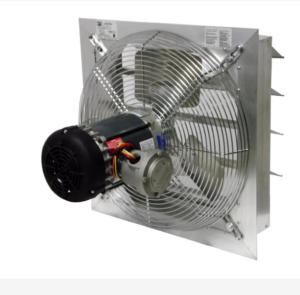
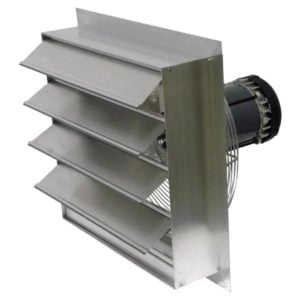
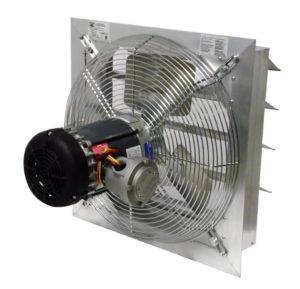
Understanding Explosion-Proof Fans and Blowers
In environments where flammable gases, vapors, liquids, or combustible dusts are present, a standard fan can become a catastrophic ignition source. Explosion-proof fans and blowers are specifically engineered to mitigate this risk. They are essential safety components designed to ensure continuous, safe ventilation in hazardous locations, protecting personnel and infrastructure from the threat of an explosion.
What Makes a Fan “Explosion-Proof” vs. “Intrinsically Safe”?
While often used in the context of hazardous area safety, “explosion-proof” and “intrinsically safe” are distinct protection concepts. An explosion-proof device, such as a fan motor, is housed in an enclosure robust enough to contain an internal explosion. This prevents sparks or flames from escaping and igniting the surrounding hazardous atmosphere. In contrast, intrinsically safe equipment is designed so that its electrical and thermal energy is too low to cause ignition in the first place. Due to the high power required to operate motors, ventilation equipment for hazardous areas is almost always classified as explosion-proof, not intrinsically safe.
The Critical Role of Ventilation in Hazardous Area Safety and Compliance
Effective ventilation is a primary engineering control for managing risks in classified areas. By circulating air and introducing fresh air, explosion-proof fans serve several critical functions: they dilute concentrations of flammable substances below their lower explosive limit (LEL), prevent the accumulation of toxic gases, and help control ambient temperature. Proper ventilation is not just a best practice; it is a core requirement for compliance with safety standards from bodies like OSHA, NFPA, ATEX, and IECEx.
Key Differences: Fans, Blowers, and Ventilators
These terms are often used interchangeably, but they have distinct technical meanings. Fans are designed to move large volumes of air at relatively low pressure. Blowers operate at a higher pressure-to-volume ratio, making them suitable for moving air through ductwork or against resistance. Ventilators is a broader term often referring to a complete system, typically portable, used for specific tasks like purging confined spaces before entry.
Choosing the Right Explosion-Proof Fan for Your Application
Selecting the correct fan requires a thorough understanding of your specific hazardous environment. Matching the equipment’s certification and specifications to the on-site risks is paramount for ensuring safety and compliance.
Key Certifications Explained: ATEX vs. IECEx vs. Class I Division 1
Understanding hazardous area certifications is crucial for procurement. These standards define the level of protection a device offers:
- Class/Division System: Primarily used in North America, this system classifies hazardous areas by the type of hazard (Class I for gases/vapors, Class II for dusts) and the likelihood of its presence (Division 1 for normal conditions, Division 2 for abnormal conditions).
- ATEX Directives: The mandatory legal framework for equipment used in potentially explosive atmospheres within the European Union.
- IECEx Scheme: An international certification system that provides a globally recognized certificate of conformity, simplifying cross-border trade of explosion-proof equipment.
Types of Hazardous Area Fans: Axial, Centrifugal, and Portable Ventilators
The design of the fan impacts its performance and suitability for different tasks:
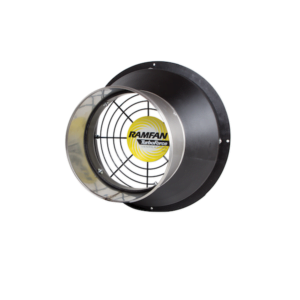
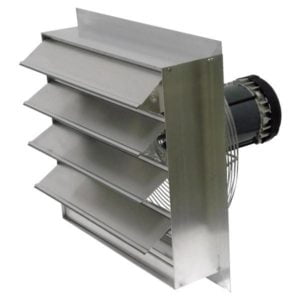
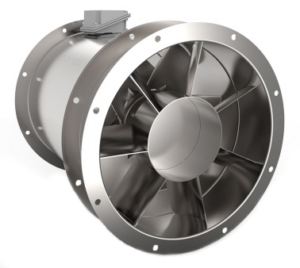
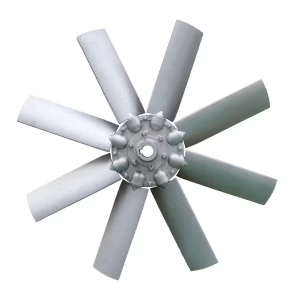
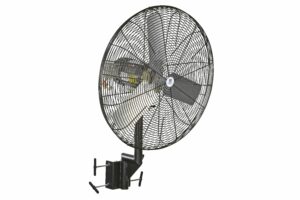
- Axial Fans: These fans move air parallel to their axis of rotation, similar to an airplane propeller. They are efficient for moving high volumes of air at low static pressure, ideal for general air circulation.
- Centrifugal Fans (Blowers): These use a rotating impeller to draw air in and discharge it at a 90-degree angle. They generate higher pressures, making them effective for ducted systems and fume extraction.
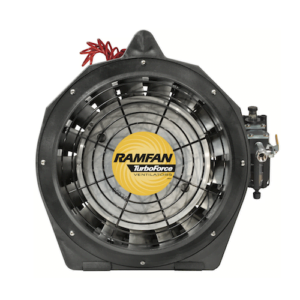
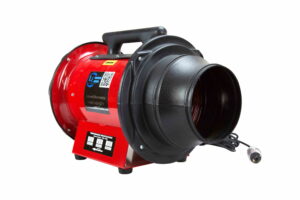
- Portable Ventilators: These are compact, mobile units designed for temporary ventilation, such as in manholes, tanks, or during maintenance shutdowns. They are vital for ensuring worker safety in confined spaces.
Matching Fan Specifications to Your Environment (Gas/Dust Groups, Temp Codes)
Beyond the primary certification, you must match the fan to the specific substance in your environment. Gas/dust group ratings (e.g., IIB, IIIC) specify the substances for which the fan is safe. The Temperature Code (T-rating) indicates the maximum surface temperature the equipment can reach, which must be safely below the auto-ignition temperature of the hazardous material present.
Common Industry Applications for Certified Blowers
Oil & Gas: Confined Space Ventilation and Fume Extraction
In upstream and downstream operations, certified blowers are essential for purging storage tanks, vessels, and pipelines of flammable hydrocarbons before inspection or maintenance. They provide life-sustaining fresh air and extract toxic fumes during confined space entry.
Petrochemical & Manufacturing: Cooling and Air Circulation in Classified Areas
Chemical processing and manufacturing plants rely on explosion-proof fans to cool equipment and motors operating in classified zones. They also provide general air circulation to prevent the buildup of flammable vapors from solvents, paints, and chemical processes.
Mining & Food Processing: Combustible Dust Management
Industries dealing with fine particulates like coal, grain, sugar, or flour face the severe risk of combustible dust explosions. Explosion-proof ventilation systems are critical for capturing and exhausting these dusts and maintaining safe air quality within the facility.
Why Trust Intrinsically Safe Store for Your Ventilation Needs?
The Single Source for All Major Global Certifications
We stock an extensive range of explosion-proof fans and blowers certified to ATEX, IECEx, and North American (Class/Div) standards. We simplify procurement for multinational corporations, ensuring you get the right certified product for any facility worldwide.
24/7 Expert Support to Ensure Correct Product Selection
Choosing the correct ventilation solution is a critical safety decision. Our team of hazardous area experts is available around the clock to help you navigate the complexities of certifications, classifications, and specifications, ensuring you select the perfect product for your application.
Price Match Guarantee and Fast Global Shipping
We are committed to providing the best value and service in the industry. With our price match guarantee and efficient global logistics, you can be confident you are receiving top-tier certified equipment quickly and at a competitive price.
Frequently Asked Questions about Explosion-Proof Blowers
What is the difference between an ATEX Zone 1 and a Class I, Division 1 fan?
Both ratings are for areas where an explosive atmosphere is likely to occur in normal operation. They are considered roughly equivalent in terms of safety level. The primary difference is the regulatory system they belong to; ATEX is the standard for the EU, while Class I, Division 1 is part of the North American system.
Can I use a higher-rated fan in a lower-rated hazardous area?
Yes. Using a fan rated for a more hazardous environment in a less hazardous one is a common and safe practice. For example, a Class I, Division 1 fan is perfectly safe for use in a Class I, Division 2 location. However, the reverse is never permissible.
How do I properly maintain an explosion-proof fan?
Maintenance must follow the manufacturer’s specific instructions. General practices include regular inspection of the enclosure for damage, ensuring all fasteners are tight, checking that spark-resistant components are intact, and verifying motor bearings are in good condition. Any repairs or modifications must be performed by qualified personnel to maintain the certification.
Do you provide certification documents with each purchase?
Absolutely. All certified explosion-proof equipment sold by Intrinsically Safe Store is shipped with the necessary certification documents and nameplates. This documentation is essential for your safety compliance audits and equipment commissioning records.