

Intrinsically Safe Knowledge Base
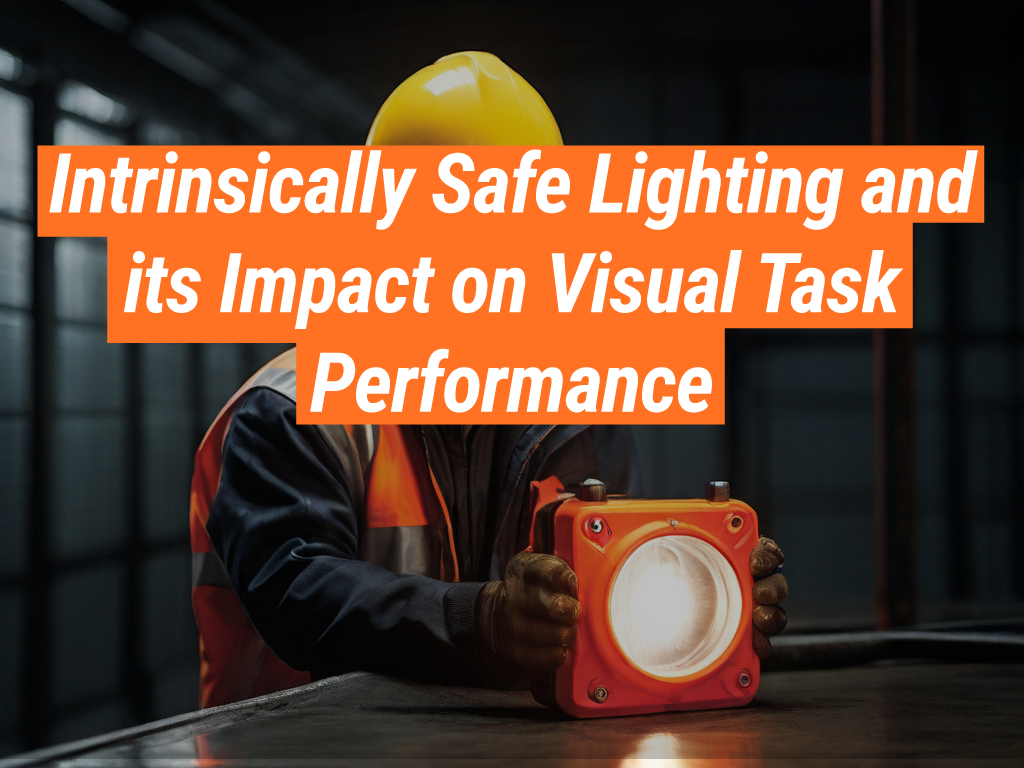
Intrinsically Safe Lighting’s Impact on Visual Task Performance
Introduction
In today’s industrial landscape, ensuring optimal visual task performance while maintaining the highest safety standards is paramount, especially in hazardous environments. One critical aspect of achieving this balance is through the implementation of intrinsically safe lighting solutions. This guide explores how such lighting not only enhances safety but also may lead to reduced insurance premiums for businesses. At Intrinsically Safe Store, we are dedicated to providing you with the best and most reliable safety equipment, including intrinsically safe lighting. Explore our certified options to enhance your facility’s safety.
Understanding Intrinsically Safe Lighting
Intrinsically safe lighting is a type of lighting designed to operate in hazardous environments without causing ignition. These lights are engineered to prevent sparks and high temperatures that could ignite flammable gases or dust. They are commonly used in industries such as oil and gas, mining, and chemical processing.
The Importance of Intrinsically Safe Lighting
Intrinsically safe lighting plays a crucial role in ensuring the safety and productivity of workers in hazardous environments. It provides adequate illumination, enabling workers to perform their tasks efficiently and safely. Without proper lighting, the risk of accidents and errors significantly increases.
Impact on Visual Task Performance
Lighting directly impacts visual task performance. Good lighting enhances visibility, reduces eye strain, and improves accuracy and productivity. On the other hand, poor lighting can lead to errors, accidents, and decreased productivity.
- Enhanced Visibility: Intrinsically safe lighting provides optimal illumination, improving visibility in hazardous environments. This allows workers to identify potential hazards and navigate their surroundings safely.
- Reduced Eye Strain: Adequate lighting reduces eye strain and fatigue, which can lead to headaches and decreased productivity. Intrinsically safe lighting ensures that workers can perform their tasks comfortably for extended periods.
- Increased Accuracy and Productivity: Good lighting improves accuracy in tasks that require precision. It also boosts productivity by enabling workers to perform their tasks faster and more efficiently.
Case Study: The Impact of Intrinsically Safe Lighting on a Chemical Processing Plant
For example, facilities upgrading to modern, certified LED lighting often report significant improvements in visibility and operational efficiency. This underscores the importance of intrinsically safe lighting in enhancing visual task performance.
Key Features & Benefits of Intrinsically Safe Lighting
The design philosophy behind intrinsically safe lighting is proactive prevention. Instead of containing an explosion, these devices operate at such low energy levels that they cannot create a spark or enough heat to ignite flammable materials in the first place. This approach delivers distinct features and powerful benefits.
Key Features
- Low-Energy Circuitry: The core of intrinsic safety is limiting voltage and current to levels below what is required for ignition, even under fault conditions.
- Spark Prevention: All components are designed to eliminate the possibility of electrical sparks that could act as an ignition source in a volatile atmosphere.
- Sealed & Durable Enclosures: While not designed to contain an explosion, the housings are robust, often IP-rated for dust and water ingress, ensuring the protection of internal components and long-term reliability.
- Rigorous Certifications: Products must pass stringent testing to earn certifications guaranteeing they meet stringent standards for specific hazardous locations, such as ATEX (for Europe), IECEx (International), and North American standards (e.g., NEC/CEC), with products certified by labs like UL. You can explore our full range of certified lighting solutions to see these standards in action.
Core Benefits
- Designed to Prevent Ignition at the Source: The primary benefit is the prevention of explosions, protecting personnel, assets, and the environment from catastrophic events.
- Regulatory Compliance: Using certified intrinsically safe equipment ensures you meet strict national and international safety regulations (e.g., OSHA, DSEAR), avoiding hefty fines and legal issues.
- Reduced Insurance Premiums: By proactively minimizing ignition risks, facilities can often negotiate lower insurance premiums, as they demonstrate a commitment to the highest level of safety protocols.
- Enhanced Productivity: With reliable, bright, and safe illumination, workers can perform tasks more accurately and efficiently, minimizing errors and operational downtime.
Choosing the Right Intrinsically Safe Lighting
When choosing intrinsically safe lighting, consider factors such as the required hazard classification (e.g., Class I, Division 1 for North America, or Zone 1 for areas following ATEX/IECEx standards), level of illumination (lumens), energy efficiency, and durability. The Intrinsically Safe Store offers a wide range of intrinsically safe lighting options to suit your specific needs. Find the right certified lighting for your hazardous area by exploring our products.
Frequently Asked Questions (FAQs)
What makes a light “intrinsically safe”?
An intrinsically safe light is designed so that its electrical energy and thermal output are too low to cause ignition in a hazardous atmosphere containing flammable gases, dust, or fibers. This is achieved through current- and voltage-limiting circuits, preventing sparks and high surface temperatures.
In which industries is intrinsically safe lighting essential?
It is critical in industries like oil and gas, chemical manufacturing, mining, pharmaceuticals, grain processing, wastewater treatment, and any environment where flammable substances are present. Using certified lighting in these areas is a regulatory requirement to prevent catastrophic explosions.
Can I use a standard “explosion-proof” light instead?
While both are for hazardous areas, they use different protection methods. Explosion-proof fixtures are built to contain an internal explosion, while intrinsically safe systems are designed to prevent the explosion from ever occurring. The choice depends on the specific zone classification and application requirements.
Conclusion
Intrinsically safe lighting is an essential component in any hazardous environment operation. It not only enhances visibility, reduces eye strain, and improves accuracy but also fundamentally prevents ignition sources. By investing in certified intrinsically safe lighting, businesses can significantly reduce ignition risks and improve productivity while maintaining regulatory compliance. Talk to a hazardous-area specialist today for more information on our range of intrinsically safe lighting products.